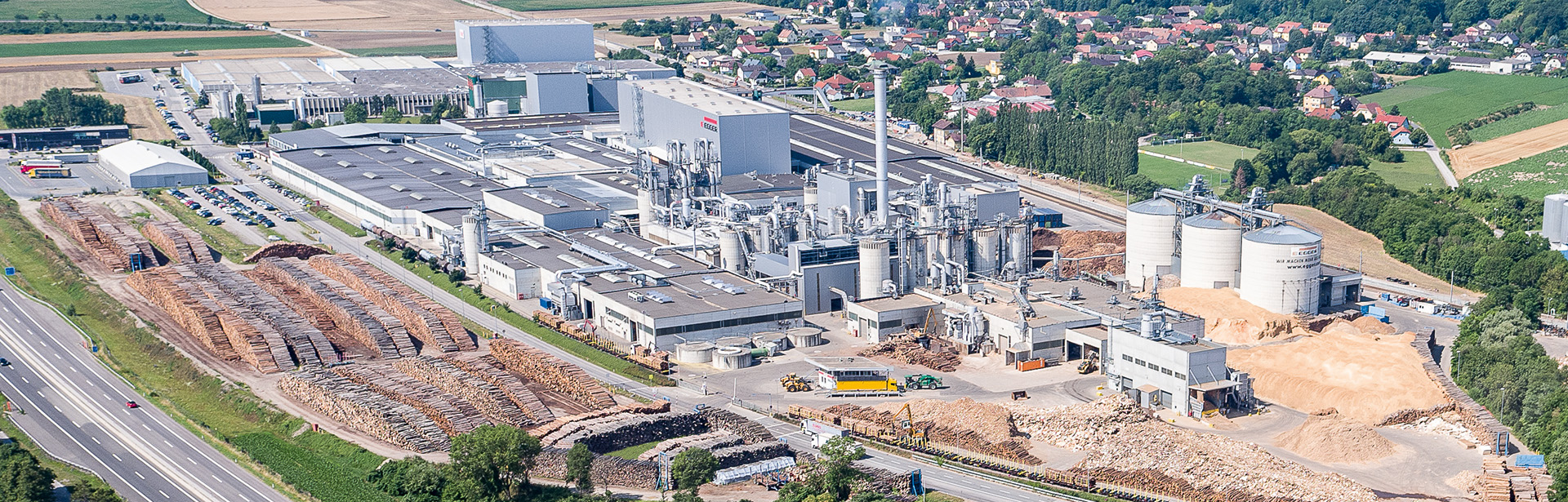
From Tyrol to the World
SAP EWM as the Foundation for Global Logistics Standards at EGGER
How EGGER Harmonizes Its Logistics Globally
What began in 1961 as a family-owned business in St. Johann in Tirol is now an internationally successful corporate group. With approximately 12,000 employees and 22 production sites in eleven countries, EGGER is one of the world’s leading manufacturers of wood-based materials. In fiscal year 2025/2026, the group generated consolidated revenue of approximately 4.26 billion euros.
The warehousing and material flow systems at the individual sites are fully automated, from goods receipt to shipping. However, the underlying structures have grown organically and are based on different system architectures. They are to be migrated to a unified, future-proof platform so that existing processes and systems do not have to be further developed in isolation from one another. EGGER implemented its first EWM-MFS solutions as early as 2014.
In 2019, the company decided to partner with io, an experienced provider, to implement a comprehensive EWM integration. After extensive consultation, SAP EWM—including MFS—was selected as the group-wide standard, primarily due to its automation capabilities and ability to integrate with the existing SAP environment.
Standardized Solution for Global Rollout
“We’ve been working together since 2019,” says Michael Gilcher, Senior Consultant at io. “We started with a full-service model in which io was responsible for the entire implementation.”
Unterradlberg in Austria, where SAP EWM MFS had already been implemented, was the first site where full EWM integration via qRFC was to be implemented and the existing warehouse management system replaced. In addition—as a rare greenfield project—there was the site in Lexington, North Carolina, in the U.S. From a technical standpoint, this went beyond a mere system implementation, Gilcher emphasizes. “In both cases, SAP EWM was to be used not only as warehouse management software but also to manage material flow, provide transparency into inventory levels, provide real-time information, and enable the integration of automated warehouses—as a standardized solution with direct MFS integration that can also be rolled out to the other locations and is intended to replace existing material flow computers.”
As a standardized solution, SAP EWM is also designed to manage material flow, provide transparency into inventory levels, deliver real-time information, and enable integration with automated warehouses.

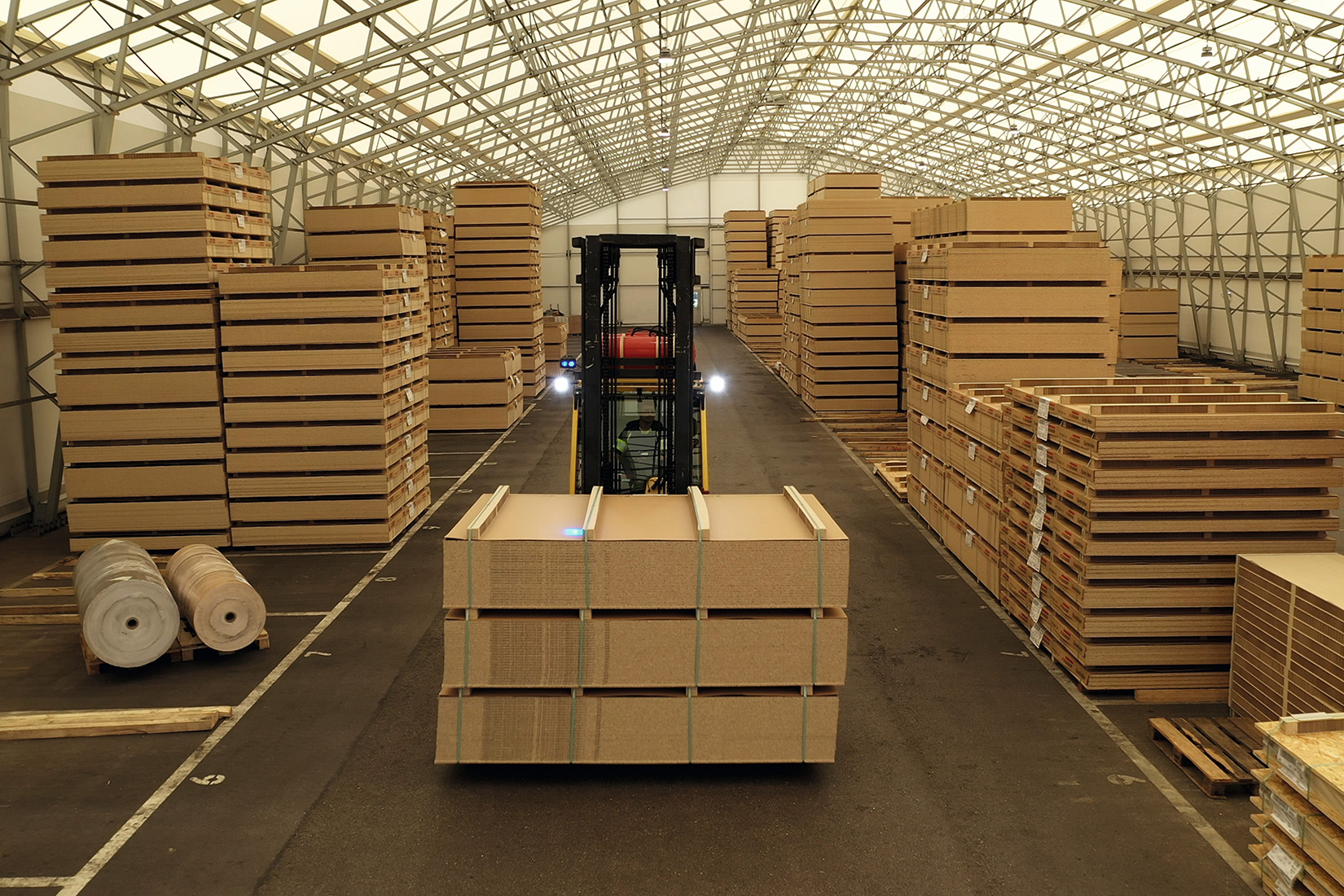
Concept workshops and ongoing support accompanied the end-to-end approach through implementation all the way to the 2020 go-live. Now that the necessary expertise has been jointly consolidated through regular meetings and training sessions, the team is moving toward a global rollout within an embedded model—that is, through collaboration in an interdisciplinary team comprising members from EGGER and io. Ebi considers keeping the individual core teams cohesive to be a key factor for success.
The Key to Success in Brownfield Projects
The warehouse management system has now been successfully implemented at nine locations during ongoing operations, including, in part, at the headquarters in St. Johann. At these locations, block and high-bay warehouses are now automatically connected via SAP MFS, as are truck and container loading operations. To replace the existing systems, EGGER and io designed a modular approach suitable for rollout, as standardization is also key in brownfield projects, Ebi explains further. The rollout and migration from SAP EWM were carried out on SAP S/4HANA.
The next step is to gradually integrate EGGER’s other locations as well. Additional plants can now be connected. The structures and processes that have been established provide a solid foundation for this. This foundation is based on open communication on an equal footing, Ebi concludes. “Everyone knows what the others expect. We understand each other both professionally and personally. That’s what makes our collaboration so special.”
In the video, EGGER and io provide a detailed account of the global SAP EWM implementation, the integration of automated warehouses, and their collaboration on the rollout program.
Three Questions for…
Sebastian Standl, Lead Professional for SAP CC Projects at EGGER
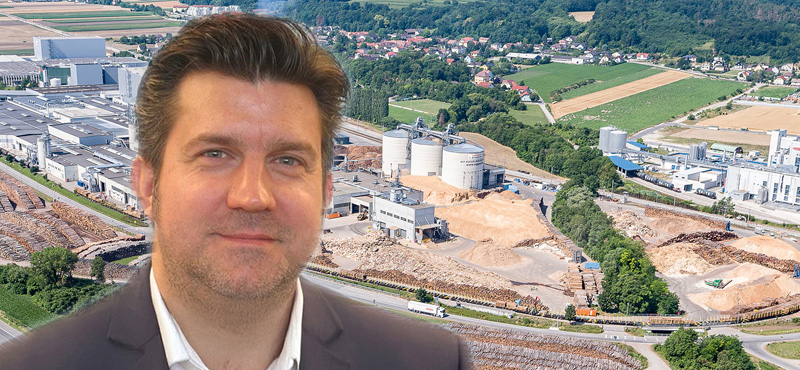
What challenges does a brownfield rollout across multiple existing plants present?
A key challenge is to collaboratively reevaluate processes that have evolved over time, align them with current standards, and involve users in the change early on.
How do you strike a balance between global standards and local requirements?
Effective workshop sessions—including detailed functional catalogs and collaborative identification of gaps—bring to light the differences between local specialties and global standard modular functions. Based on this, a balanced solution is developed that ensures compliance with the global standard while also accommodating justified local requirements.
What insights from previous rollouts would you share today with any similar transformation project?
Five points are key to success:
- System training for plant key users at an existing plant
- Detailed documentation of current processes
- Plant approval of the blueprint
- Involvement of end users through detailed user tests
- Transparent documentation of open issues