Automation and digitalization roadmap
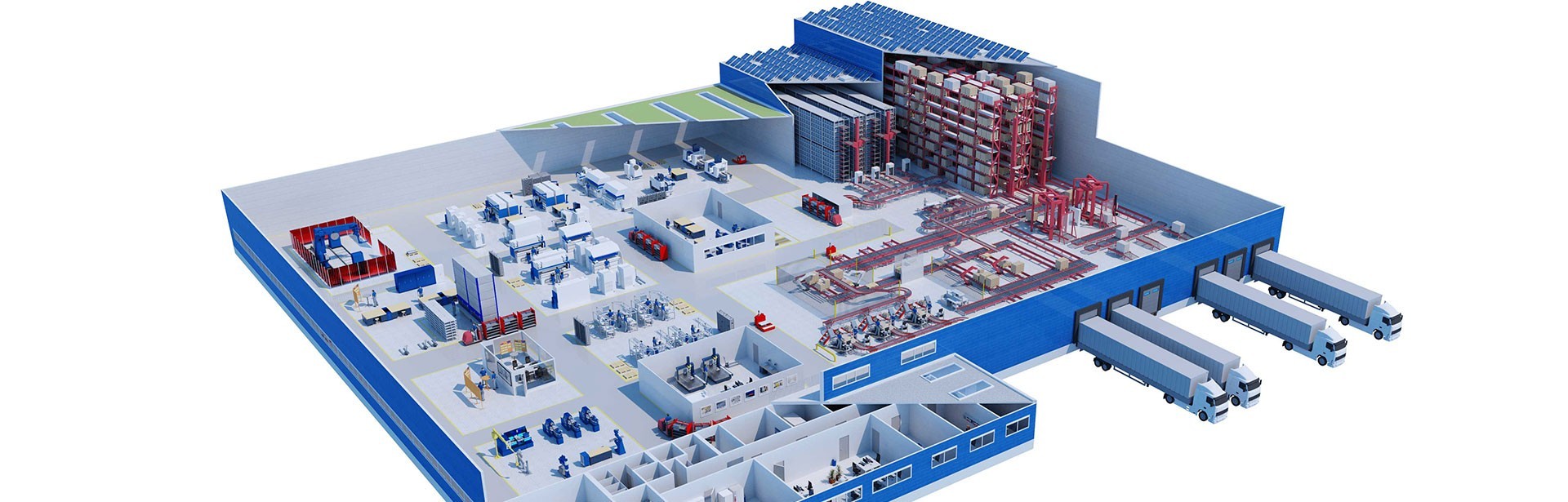
We provide you with the basis for decision-making when it comes to investments in automation and digitalization and define a clear roadmap for transitioning to the factory of the future.


Key points at a glance:
Challenge: Many companies recognize the potential of digitalization and automation but are faced with a bewildering array of possible measures and initiatives. In the absence of a structured assessment, it is difficult to decide which use cases promise the greatest benefits and the priority in which they should be implemented.
Our approach: We analyze processes, data, and workflows along the value chain and identify specific automation and digitalization use cases. We then evaluate these in terms of benefits, effort, dependencies, and feasibility, and turn them into a prioritized roadmap.
Result: You receive a customized automation and digitalization roadmap with clearly prioritized use cases and recommendations for action. The roadmap provides transparency about potential, implementation sequences, and the expected contribution of individual measures to the company’s success.
Your added value: You get to focus your resources on the use cases that deliver the greatest added value for productivity, quality, and competitiveness. At the same time, you establish a solid foundation for your investment decisions and successfully implementing your digital transformation.
Process model

Understanding potential and goals
Every successful transformation begins with a shared understanding of the current situation and strategic objectives. That’s why we establish transparency about your company’s key challenges, target states, and value drivers right at the start of the project.
Together, we define the goals that need to be achieved through digitalization and automation – for example, higher productivity, improved quality, greater transparency, lower costs, or enhanced delivery capability. This creates a clear foundation for all further decisions and investments.
Gaining transparency across processes
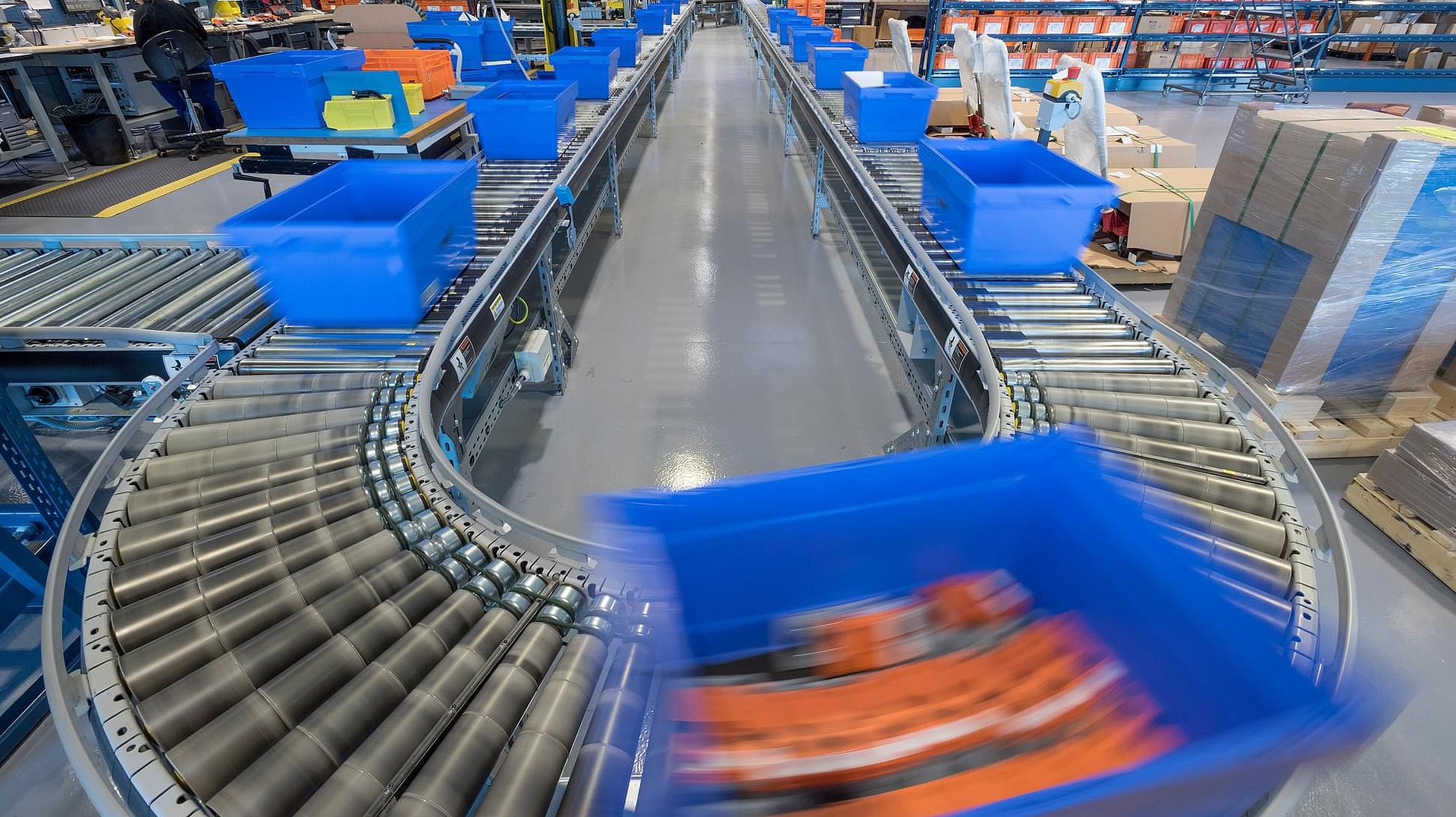
In the next step, we analyze the relevant processes, material flows, information flows, and existing systems along the value chain. In doing so, we examine not only individual process steps, but also the interplay between people, processes, organization, and technology.
By conducting a structured assessment of the current state, we identify weaknesses, data silos, and opportunities for improvement. This provides a solid understanding of where digitization and automation can leverage the greatest value.

Identifying relevant use cases
We work together with you to develop specific automation and digitization use cases based on the process analysis. This involves drawing on proven best practices and our experience across a wide range of industries, tailoring them to your company’s specific needs.
Each use case is evaluated in terms of its benefits, strategic relevance, and potential contribution to achieving your goals. The result is a structured shortlist of action areas with the greatest potential for your company.

Developing solution approaches
Use cases describe the goal – workable solution approaches must be found. That is why we evaluate various implementation options for each prioritized use case and align them with your existing processes, systems, and organizational framework.
In doing so, we give equal consideration to technical feasibility, integrability, and future-proofing. This results in solutions that are not only sound in theory but can also be successfully implemented under real-world conditions.

Establishing implementation prerequisites
A transformation’s success does not depend just on finding the right solution. Organizational prerequisites, responsibilities, competencies, and available resources must also be taken into account.
That is why we analyze the requirements for project organization, decision-making structures, and necessary training measures at an early stage. In this way, we lay the foundation for efficient implementation and predict and avoid typical obstacles as early as the planning phase.

Securing investments
Not every use case offers the same cost-benefit ratio. That is why we systematically evaluate the measures identified in terms of benefits, effort, risks, and cost-effectiveness, and provide transparency around the expected outcomes.
The analysis takes into account both qualitative and quantitative criteria and provides an objective basis for prioritizing areas of action. This allows investments to be focused specifically on the measures that make the greatest contribution to your business goals.

Creating an implementation roadmap
All results are finally consolidated into a clearly structured automation and digitization roadmap. This roadmap outlines the prioritized measures, their interdependencies, and a logical sequence for implementation.
The roadmap serves as a strategic roadmap for the coming years and gives transparency around projects, resource requirements, and implementation steps. This creates a solid foundation for driving targeted and sustainable digital transformation.
Selective use cases
Digital shopfloor management ×
Production metrics, malfunctions, and corrective actions are visualized in real time, providing transparency within the current state of production. This facilitates rapid identification of deviations and greater confidence in decision-making.
Predictive maintenance ×
Machine statuses are continuously monitored and analyzed to identify any maintenance needs at an early stage. This helps reduce unplanned downtime and increase equipment availability.
Process mining ×
Actual process flows are visualized and analyzed based on existing data. This allows bottlenecks, data gaps, and inefficiencies to be systematically identified and eliminated.
Paperless production ×
Work instructions, checklists, and material postings are provided and documented digitally. This reduces paperwork, improves data quality, and enhances transparency throughout the value chain.
Traceability & product lifecycle ×
Serial numbers, batches, process parameters, and quality data are documented throughout the entire production process. This lays the foundation for traceability, quality management, and compliance with regulatory requirements.
Digital worker guidance ×
Digital work instructions guide employees step by step in carrying out their tasks. This reduces errors, shortens training times, and improves process reliability.
Business intelligence & management dashboards ×
Production, quality, and logistics data are automatically analyzed and consolidated into informative dashboards. This provides a solid foundation for both operational and strategic decision-making.
Automated material supply ×
Inventory levels, material consumption, and replenishment processes are digitally monitored and controlled. This reduces inventory, increases supply reliability, and minimizes manual tasks.
Added value of io

Aligning strategy with implementation
Many digitalization strategies fail through lack of prioritization and feasibility. We do not develop theoretical target states, but focus on specific roadmaps with prioritized use cases, clear responsibilities, and a realistic implementation path.

Independent
consultation
As an independent consultant, we objectively evaluate use cases, technologies, and vendors, focusing exclusively on the benefits for your company. This results in a solid foundation for your decision-making, not swayed by vendor interests or technology trends.

A holistic
approach
Digitalization and automation are not viewed in isolation but rather within the interplay of processes, organization, data, and technology. This ensures that individual measures make a measurable contribution to overall value creation.

Cross-industry expertise
Our experience in manufacturing, logistics, and production enables us to transfer proven solutions across different industries. This often leads to new perspectives and innovative use cases that would not be immediately apparent within the company’s own industry.
FAQ
Why do you need an automation and digitalization roadmap? ×
Many companies have lots of ideas for digitalization and automation but lack clear prioritization. A roadmap gives transparency around potential, priorities, investments, and dependencies, and forms the foundation for a targeted transformation.
How are the right use cases selected? ×
We work together with you to identify potential automation and digitalization use cases based on a structured process analysis. These are evaluated and prioritized in terms of benefits, effort, strategic relevance, and feasibility.
Are existing systems and technologies taken into account? ×
Yes. Existing systems, data structures, and technologies are systematically analyzed and included in the evaluation. This ensures that new solutions can be meaningfully integrated into your existing system landscape.
How is cost-effectiveness evaluated? ×
We evaluate cost-effectiveness using a structured cost-benefit analysis. We consider investment costs, implementation effort, resource allocation, risks, and long-term impacts on productivity, quality, and efficiency as well as the expected benefits.
Why is a manufacturer-independent assessment important? ×
As an independent consultant, we objectively evaluate use cases, technologies, and vendors, focusing exclusively on the benefits for your company. This results in a solid basis for your decision-making rather than technology-driven individual solutions.
Does io also support the actual implementation? ×
Yes. The roadmap does not end with identifying potential; rather, it forms the foundation for step-by-step implementation. And we are also happy to support our clients from strategic planning through to the successful implementation of the identified measures if that is what they need.
Schedule a consultation with an expert
Focus on Assembly Planning – Schedule a consultation with an expert today and identify the biggest opportunity for improvement.