Intralogistics & automation
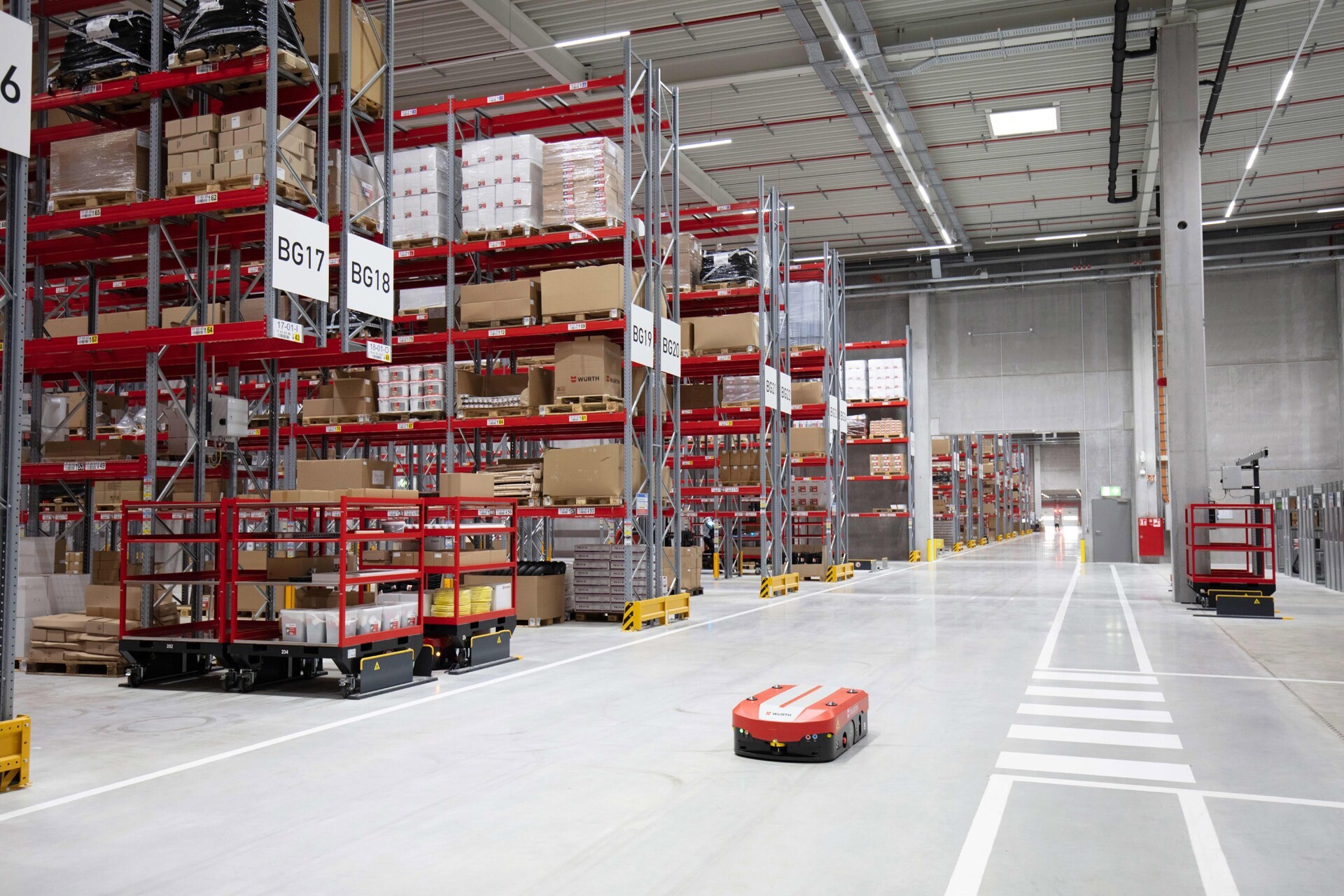
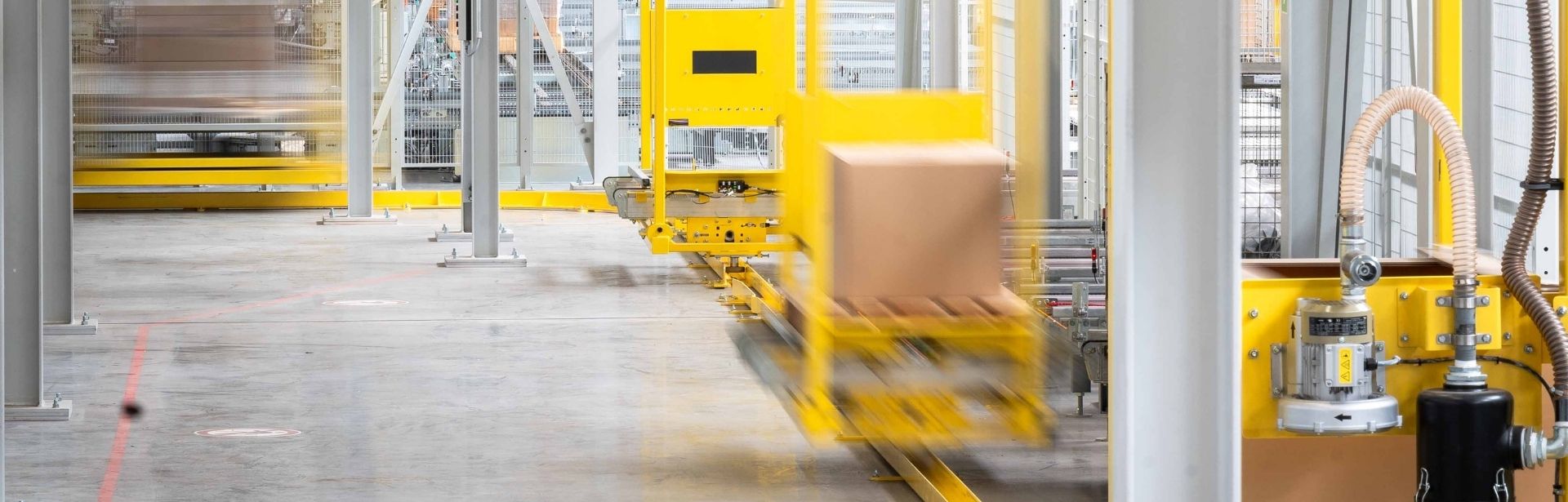
We design highly dynamic warehouses, scalable material flows, and smart robotic solutions – completely manufacturer-independent.


Key points at a glance:
- Challenge Rising demands in terms of productivity, flexibility, and service levels are increasing the complexity of intralogistics. There is a wide variety of automation technologies, each with its own advantages and drawbacks, available on the market.
- Solution: Data-driven planning – a bespoke combination of processes, automation, robotics, and warehouse technology.
- Result: Future-oriented, cost-effective logistics that are efficient, flexible, and sustainable.
- Benefit: We plan without any ties to specific manufacturers, so we have no constraints in selecting exactly the right technology for your precise needs. Technology that is clearly defined in terms of functionality and objectively evaluated.
What does intralogistics planning entail?
Intralogistics is the driving force behind your facility. A balanced, coordinated design makes the most of the floor space and headroom available, optimizes travel distances between processes and functions, and deploys automation technology where it makes business sense.
- Material flow: We plan processes and simulate the associated goods flows to avoid bottlenecks.
- Technology: We design vendor-neutral robotics, AGV, and automation solutions.
- Layout: We design efficient layouts to optimize the utilization of your space.
Your intralogistics leverage

Independent
Completely manufacturer-independent
We are completely independent planners, so can objectively select the mix of solutions that is the best fit for your technical and business needs – and put them out to tender on the market on a purely functional basis.

Experience
Tried and tested in projects
We combine in-depth expertise in the planning, tendering, and implementation of intralogistics systems – anywhere from fully manual to highly automated.

Forward-looking
End-to-end
We create solutions that can flexibly adapt to future requirements such as warehouse throughput, availability, and service levels across the entire ecosystem.

Business case
Proven ROI
Decisions based on investment and operating costs form the business case. Qualitative factors complement the decision-making process.
Frequently asked questions
Why is intralogistics planning by io better than making direct inquiries with system providers? ×
As a manufacturer-independent logistics planner, we stay abreast of the entire technology market and explore the system options that best meet your requirements. This expands the range of possible solutions beyond the technical capabilities of a single system provider. We also support you in objectively evaluating and challenging the systems’ capabilities.
How do you ensure that the planned facility will be able to cope with the most extreme peak periods (e.g., Black Friday) as well as regular volumes? ×
We use your historical ERP/WMS data and extrapolate it for future growth scenarios. We leverage specialized simulation tools (digital twins) to build a virtual model of your warehouse and test “stress days” on the model. This allows us to identify whether conveyor systems will become congested, where shuttle lanes might become blocked, or how many picking stations will actually be needed on a Black Friday – all before the warehouse is even built.
Can automation be cost-effective even for a medium-sized company? ×
The short answer is yes. The days of massive, inflexible conveyor systems are now consigned to history. Today’s scalable systems, such as AGV/AMR fleets (autonomous guided vehicles) or modular small-parts warehouses (e.g., AutoStore), allow you to start your automation journey with very low initial investments. As sales grow, you can easily integrate more robots via “plug-and-play” (CapEx on-demand).
Do you plan for only the physical intralogistics (shelves, robots) or the software (WMS/MFS) as well? ×
Even the best warehouse and conveyor technology is useless without the right brain driving it. The design of the IT architecture, as well as the definition and specification of material flow computers (MFS) and warehouse management systems (WMS, e.g., SAP EWM), forms an integral part of our intralogistics planning. Software and hardware must work together seamlessly. If you need to implement an SAP warehouse management system, we can take care of that for you as well.
We are not allowed to build on a greenfield site. Do you also plan retrofits during ongoing operations (brownfield)? ×
Absolutely – in fact, that’s the norm. Brownfield projects are the gold standard of intralogistics. The art lies in dismantling old equipment and integrating new systems (e.g., automation technology) while operations continue without compromising full delivery capacity. We achieve this by developing extremely detailed phase, buffer, and migration plans.
Schedule a consultation with an expert
We’ll work together in a 30-minute session to identify which area of action offers the greatest leverage for your current situation – and whether a structured pilot approach makes sense for you.