Automation of assembly and manufacturing processes
We design efficient assembly lines that enable flexibility and scalability.


Key points at a glance:
- Challenge: Automation offers great potential for increasing productivity, quality, and process stability. At the same time, this only unleashes its full benefits when it is based on a clear vision and effectively integrated into the factory structure.
- Our approach: We develop tailor-made automation strategies aligned with the value stream and cycle time requirements, delivering specific benefits – because we do not view technology as an end in itself. Automation should serve as a targeted lever for improving cost-effectiveness, ergonomics, and process reliability.
- Result: A balanced target vision comprising manual, semi-automated, and automated process modules – with transparent prioritization, a robust economic feasibility assessment, and a clear implementation roadmap.
- Your added value: Automation is developed as an integral part of factory design and consistently integrated with plant structure, intralogistics, and implementation. This results in solutions that are technically sound, economically viable, and scalable in the long term.
What is automation?
In this context, automation describes the targeted transfer of production, assembly, or manufacturing tasks to technical systems. The aim is to make processes more stable, efficient, and cost-effective, as well as to sustainably improve quality and productivity. Automation in assembly and manufacturing processes can offer particular advantages where there are high production volumes, repetitive sequences, ergonomic challenges, or increasing quality demands.
The degree of automation is determined by the actual requirements and potential of the process – not solely by technical capabilities. Not every process benefits equally from technological solutions, and not every investment automatically leads to economic added value. The key is selecting the right level of automation – tailored to production volumes, product variety, cycle time requirements, and long-term business goals. However, where the conditions are right, automation becomes a crucial competitive factor and is often a prerequisite for sustainable growth, productivity, and scalability.
A robust process is at the heart of any successful automation. Technology can only realize its full potential when processes are standardized, understood, and designed with a clear focus on the value stream. That is why we always view automation as part of a comprehensive optimization of processes, material flow, and factory structure.
Automation process model

Defining the target vision
We work with you to develop a clear target vision for your future production or assembly operations. This involves determining the ideal level of automation while taking into account cost-effectiveness, flexibility, quality, and growth prospects. This allows us to create a solid foundation for all further decisions.
Identifying automation potential
We systematically analyze your processes and identify the key levers for productivity, quality, and efficiency. We highlight in the process the tasks that can be automated cost-effectively and where manual solutions continue to be beneficial. The result is full transparency around opportunities and potential.
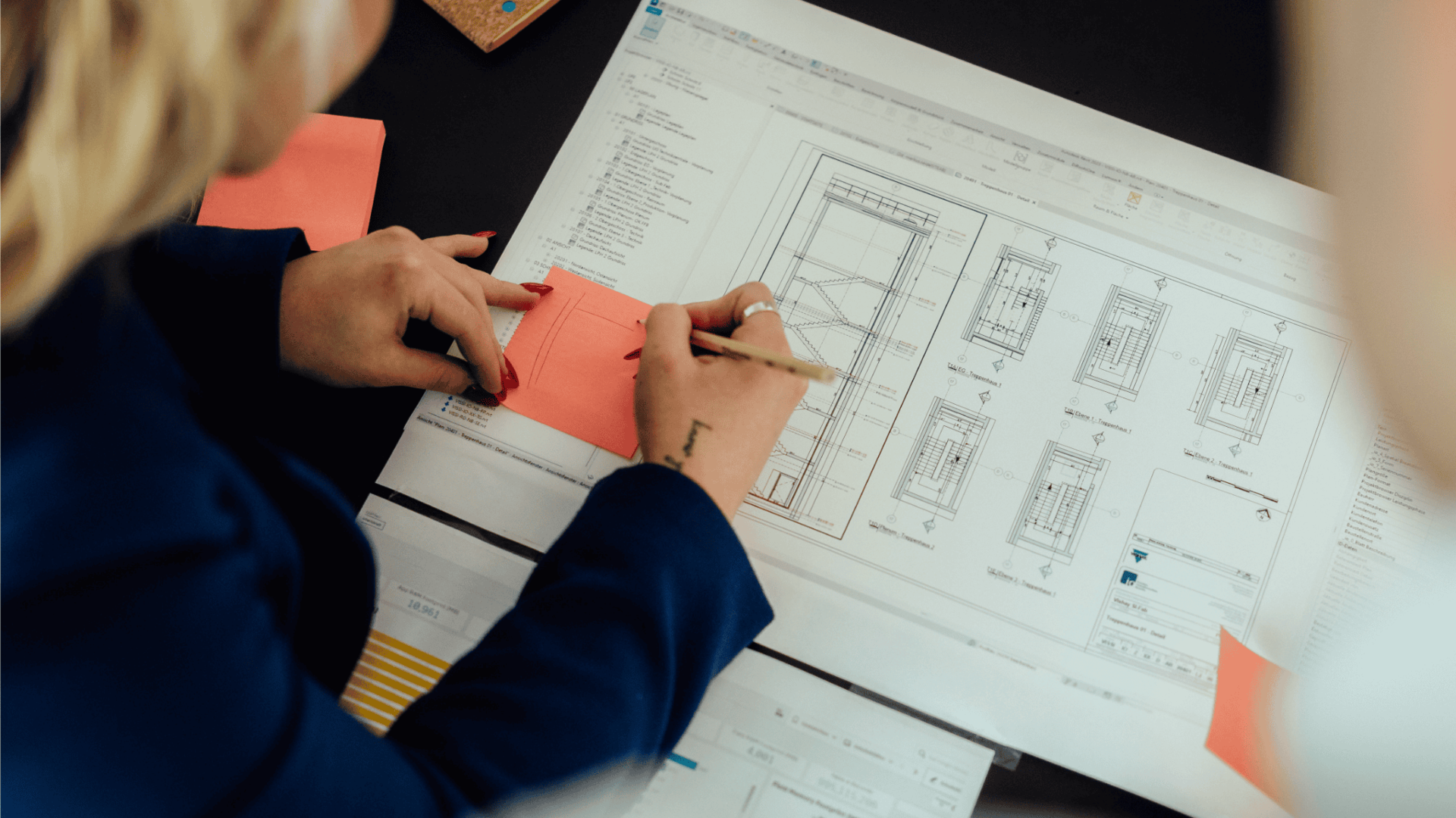
Developing specific solutions
We develop tailor-made automation strategies for your specific application based on the potential that has been identified. From individual workstations to complex production systems, we create solutions that fully exploit technical feasibility while still contributing to your bottom line. This also involves taking future requirements and scalability options into account.

Securing investments
We evaluate the developed solutions based on clearly defined criteria such as cost-effectiveness, performance, flexibility, and risk. We use a structured comparison of alternatives to provide clarity on the implications of each option.. This makes investment decisions transparent and robust.
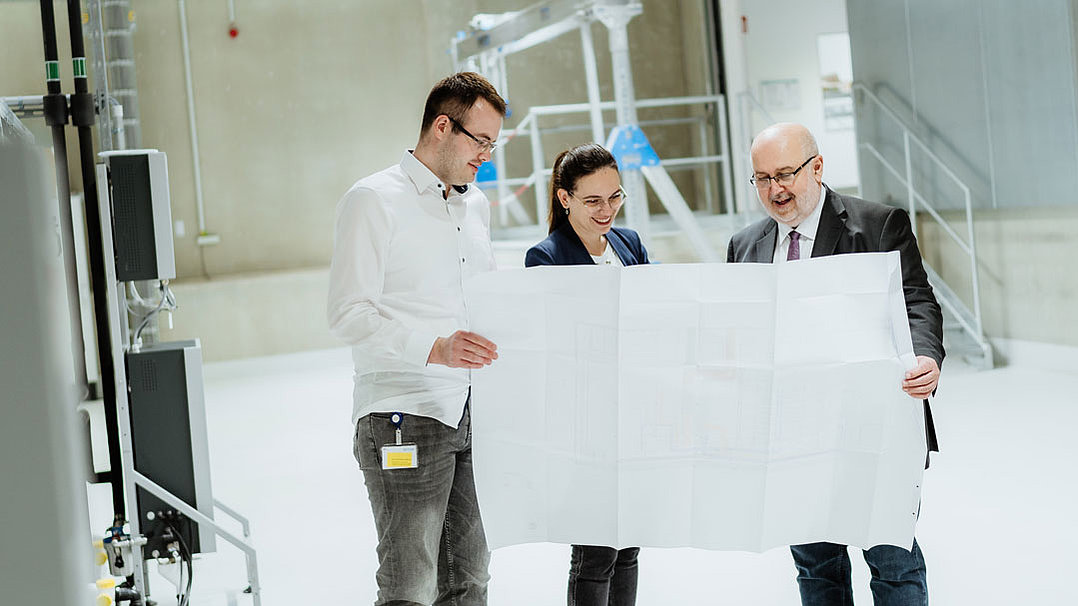
Preparing for implementation
After selecting the preferred option, we translate the strategy into a plan ready for implementation. Requirements, layouts, capacities, and interfaces are specified and coordinated. This lays the groundwork for efficient and low-risk implementation.

Achieving success
We continue to support your project as an independent partner throughout the implementation phase. We provide support with the bidding process, supplier selection, project management, and commissioning. In this way, we ensure that the planned improvements are implemented sustainably and that the desired project goals are achieved.
Automation technology in practice
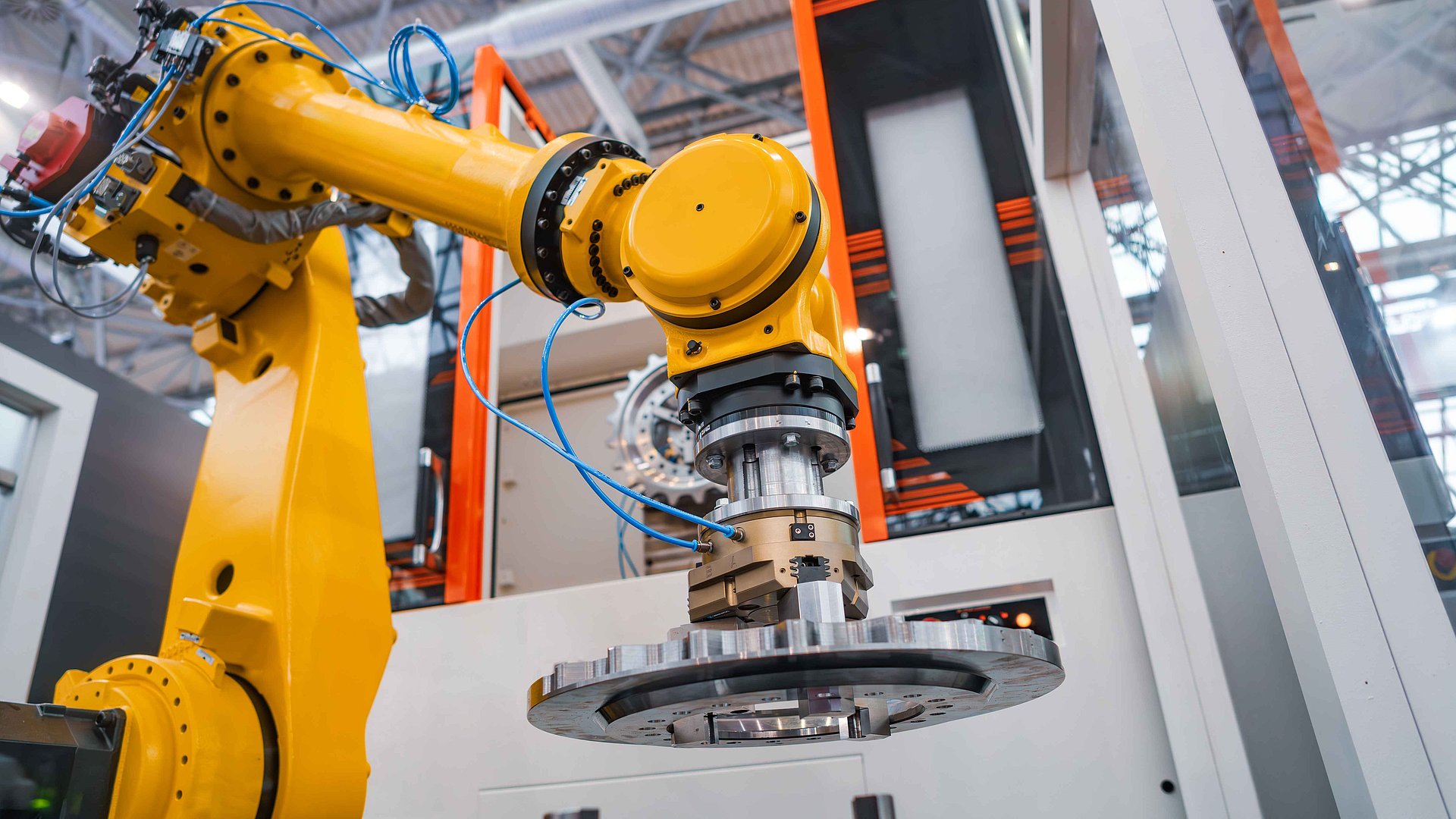
Workpiece handling & machine loading
Robots take over repetitive loading and unloading operations on machines, ensuring robust processes, high system availability, and consistent cycle times.
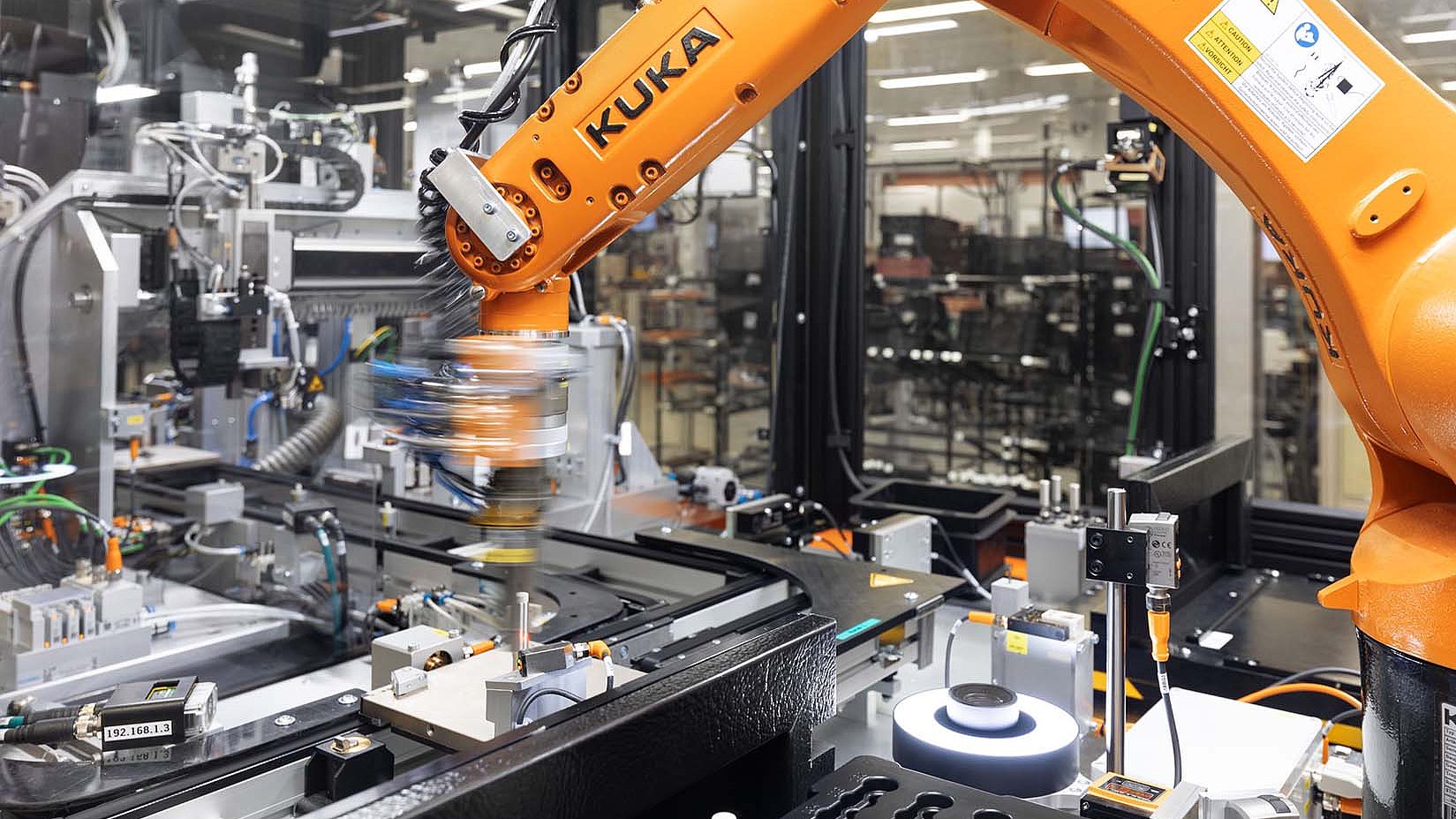
Automated assembly
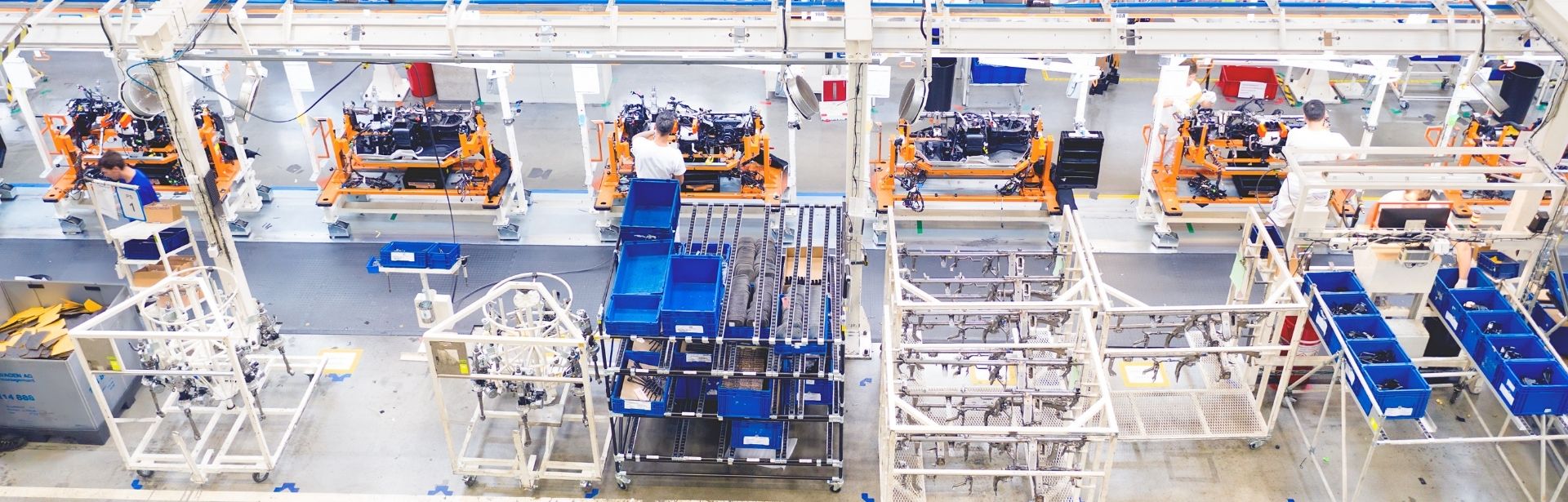
Robot-assisted screw-fastening systems ensure consistent assembly processes and provide seamless documentation of quality-relevant process parameters.
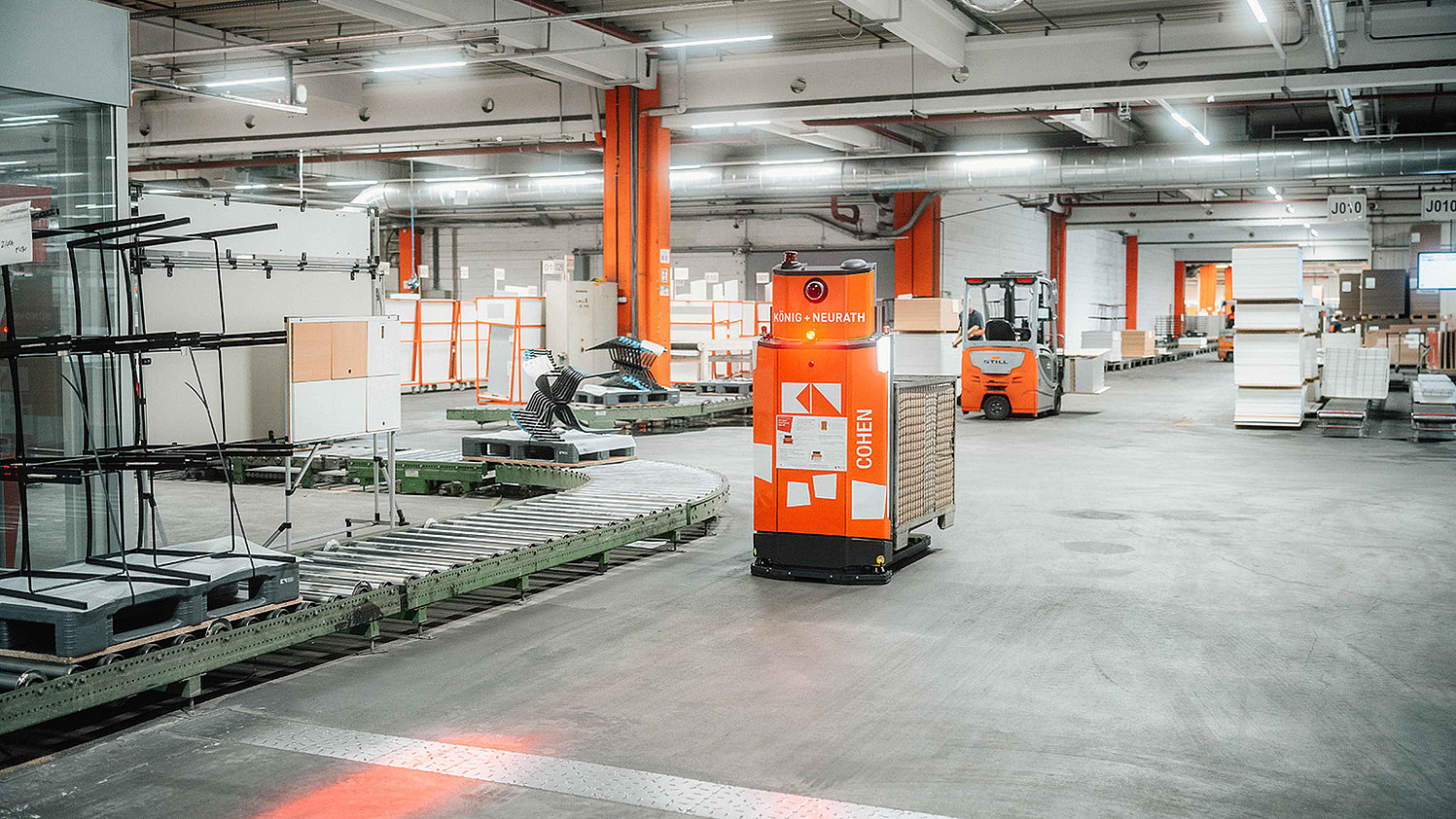
Autonomous mobile robots (AMR)
Autonomous transport systems move materials and products as needed between the warehouse, production, and assembly areas, providing improved intralogistics efficiency..
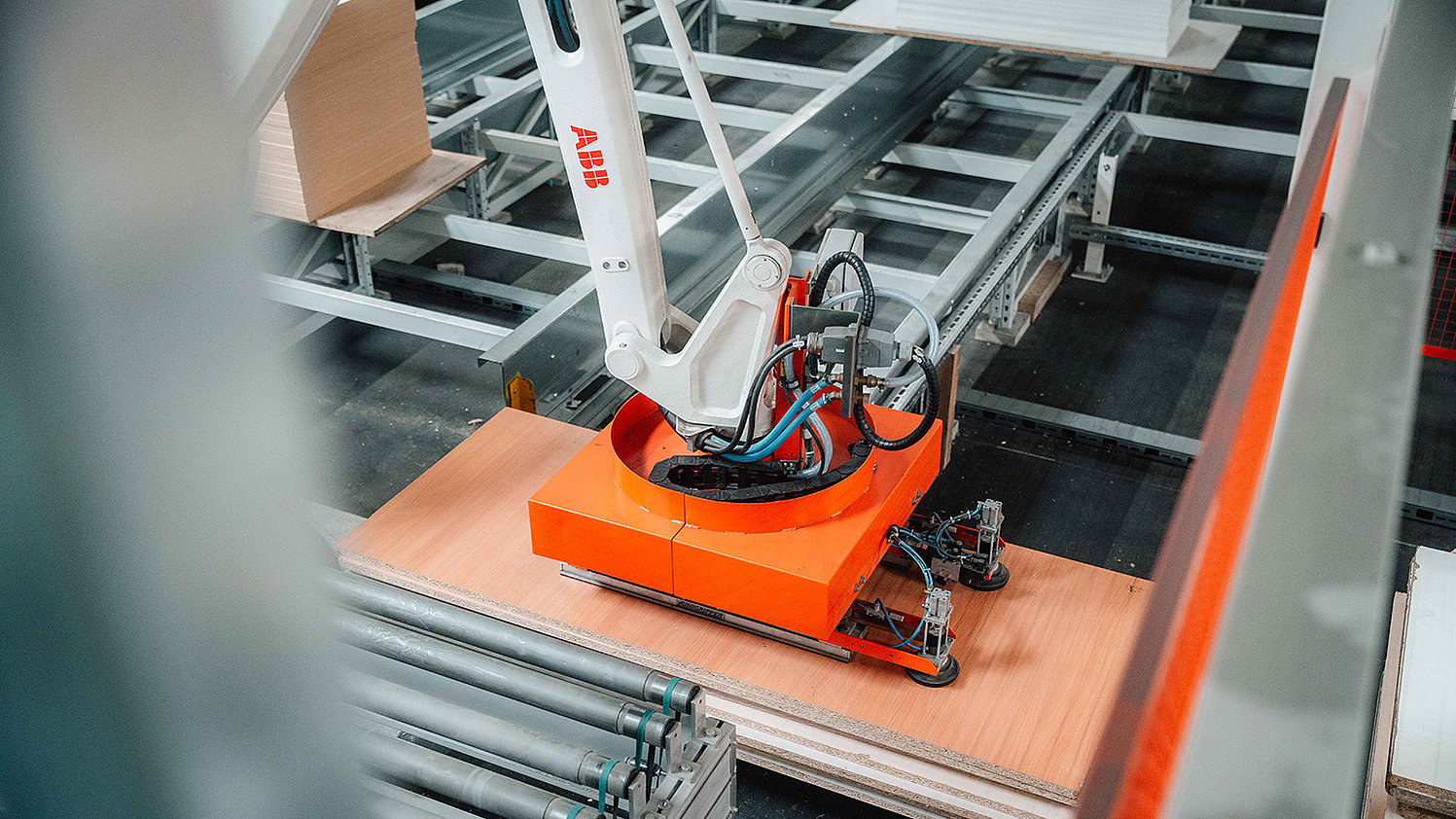
Automated material supply
Intelligent material supply systems ensure that materials are available at the right place at the right time, reducing search, travel, and wait times.
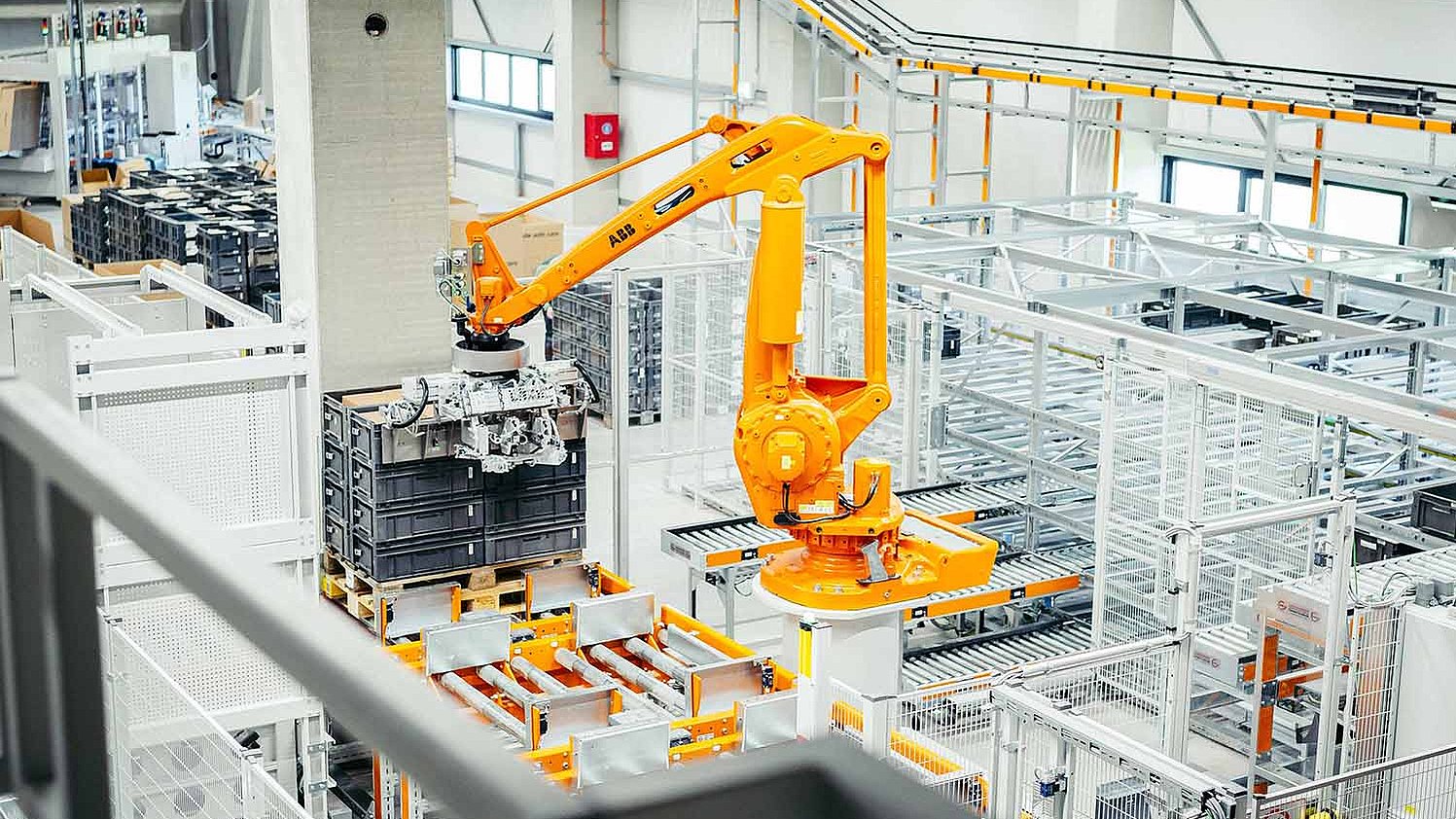
Automated palletizing
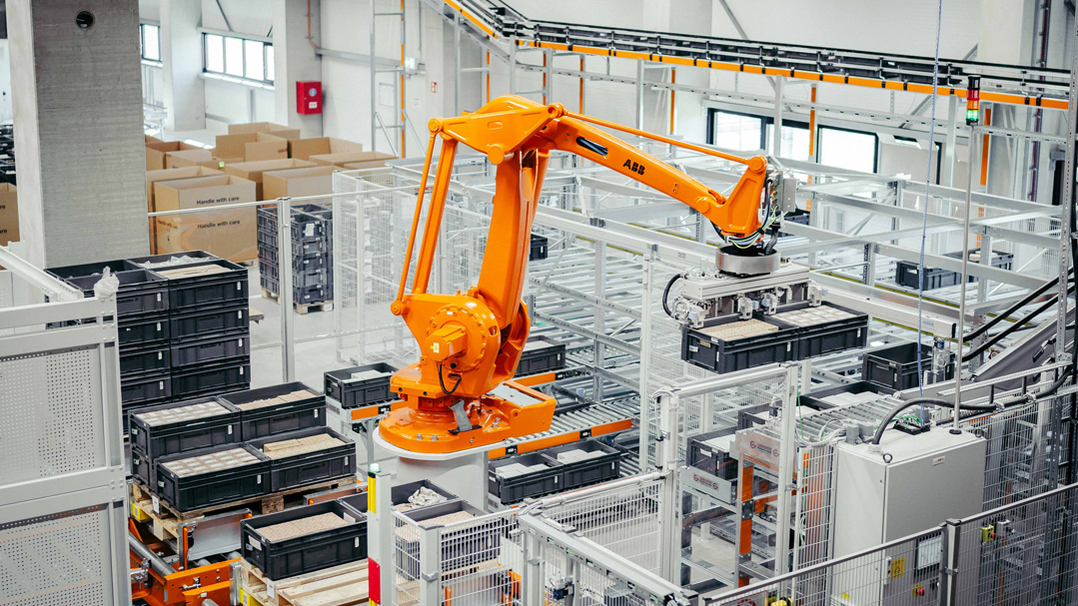
Robots handle ergonomically demanding palletizing and depalletizing operations while simultaneously improving process speed, quality, and workplace safety.
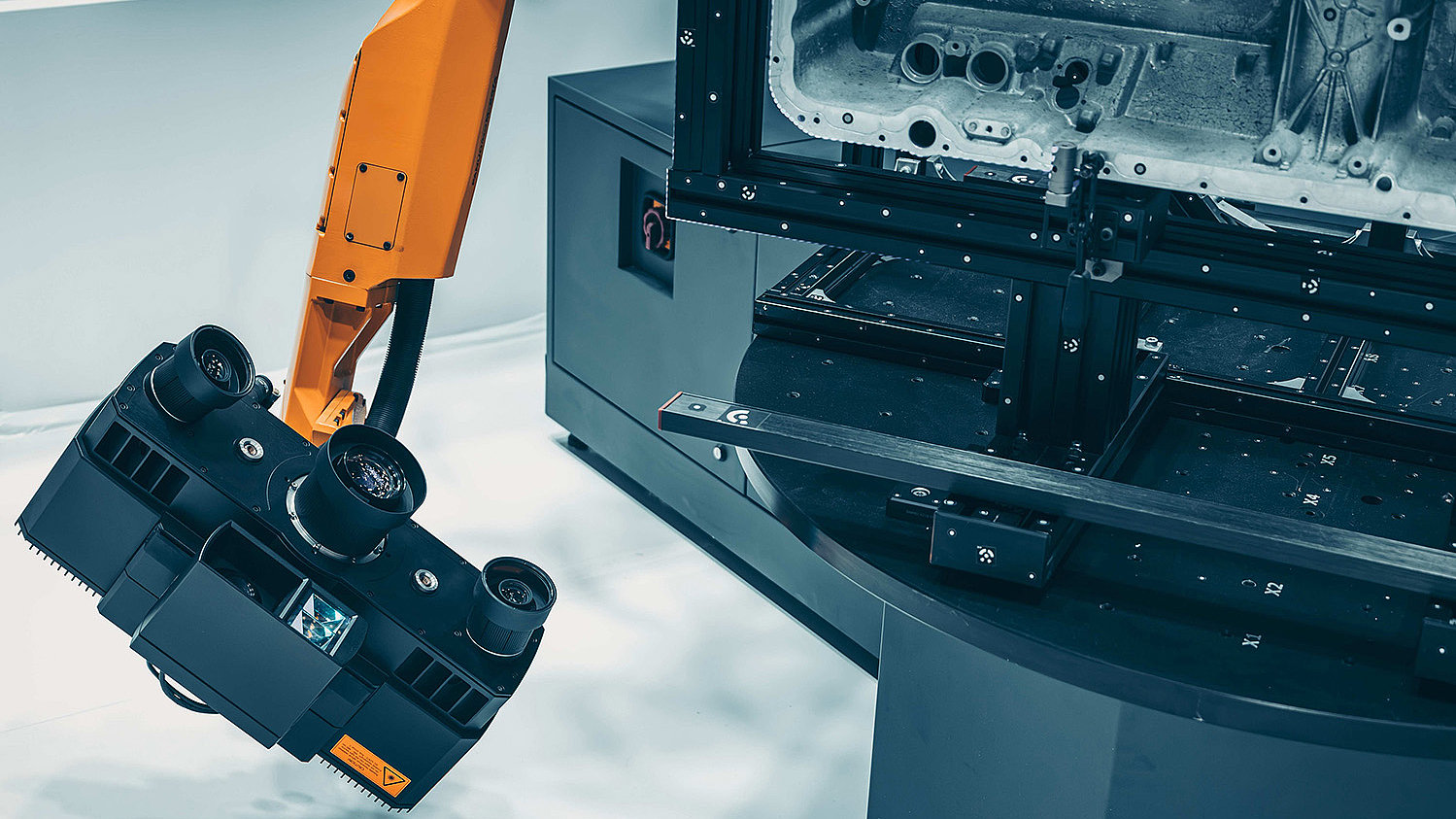
Robot-assisted quality inspection
Robot-guided camera systems automatically inspect products for defects, completeness, and dimensional accuracy, enabling objective and reproducible quality control.
Added value of io

A comprehensive approach
We do not view automation in isolation, but rather as part of the entire production system. Processes, material flow, layout, staffing requirements, and IT are all considered holistically to ensure that the solution functions sustainably and unleashes its full potential.

Independent consultation
As an independent consultant, we evaluate technologies and suppliers impartially and objectively. This allows us to recommend the solution that best fits your requirements – not the one a salesperson is trying to sell. In this way, we create transparency and ensure sound investment decisions.

End-to-end
support
We support our clients throughout the entire project lifecycle – from initial strategy through planning and implementation to commissioning. This prevents any loss of continuity at interfaces, and the originally defined vision remains intact throughout the entire project.

Cross-industry expertise
Our experience across many different industries opens up new perspectives on existing challenges. Proven solutions from other industries and innovative approaches often unlock unexpected optimization potential and create a genuine competitive advantage.
FAQ
When is automation worth it? ×
Automation is particularly worthwhile for high-volume production, recurring processes, increasing quality requirements, or bottlenecks in staff availability. The goal is not automation for the sake of it, but rather the optimum cost-effective level of automation for the specific use case.
When is automation not worth it? ×
Not every process benefits from automation. Flexible manual or semi-automated solutions may be more cost-effective for low production volumes, a high variety of product variants, frequent product changes, or a high proportion of manual value-added work. That is why we evaluate each use case individually and are open to all technologies.
Which processes can be automated? ×
Automation can be used in nearly all areas of production and intralogistics. Typical applications range from workpiece handling, machine loading, and screw fastening to material transport and material provision, as well as palletizing, quality inspection, and testing processes.
How is the cost-effectiveness of automation evaluated? ×
We consider not only the investment costs but also the total lifecycle costs of a solution (total cost of ownership, TCO). Many factors contribute to this assessment, including capital expenditure, labor costs, energy consumption, maintenance, spare parts, production output, quality, and system availability. This gives a robust basis for decision-making over the system’s entire service life.
Why is manufacturer-independent consulting important? ×
As an independent consultant, we evaluate technologies and providers objectively and focus exclusively on what your process needs. This ensures that the solution you select is the best technical and economic fit for your company.
Does io also support the actual implementation? ×
Yes. We support our clients from the initial idea through design and detailed planning to the bidding process, implementation, and commissioning. This ensures that a good idea is transformed into a successful and sustainably functioning automation project.
Schedule an expert consultation
Focus on Assembly Planning – Schedule a consultation with an expert today and identify the biggest opportunity for improvement.