Integrated assembly planning
We structure assembly processes and enable optimal value creation from concept to the shop floor – automated, flexible, and cost-effective.


Key points at a glance:
Challenge: In many factories, assembly is the production step with the highest value creation, yet it is also the most labor-intensive and most prone to disruptions, with fluctuating demand and a wide range of product variants, as well as potential supply bottlenecks and material availability issues.
Solution: Best-practice assembly planning where processes, work design, material supply, and automation are tailored to the data, product, product variants, and customer lead times, drawing on experience from various industries.
Result: A robust assembly system with a requirements-based and coordinated design, improved ergonomics, reduced waste, and an economically optimal level of automation.
Benefit: Assembly planning is not viewed in isolation but is integrated into holistic factory planning, material flow, and layout in conjunction with intralogistics – from concept to implementation.
What is assembly planning?
Assembly planning refers to the systematic design and structuring of all processes necessary to assemble a product. In this process, workflows, resources, and assembly systems are specifically planned to ensure efficient and cost-effective production. A key aspect of assembly planning is to optimally coordinate assembly processes, avoid waste, and keep costs per product as low as possible, while maintaining high quality and flexibility. The goal is a cost-effective, robust overall system comprising people, materials, equipment, layout, and control.
Which assembly principle is best suited to the product, product variants, and production volume?
How should cycle time, line balance, and workstation logic be structured?
How can materials be supplied without causing waste in the process?
Where does automation truly pay off, and where are there other optimization approaches?
How can assembly planning be reliably implemented in greenfield and brownfield projects?
A systematic approach to an efficient assembly system
Assembly represents an important intermediate or final stage of a manufacturing process with high added value. Even though automation is becoming increasingly prevalent in many areas of production and logistics, assembly is often one of the most labor-intensive areas. Therefore, against the backdrop of shorter product life cycles, an increasing number of variants, and customized products, as well as global competition, it is all the more important to get the planning right and continuously optimize assembly systems. We support you with a clear focus on feasibility and economic viability. Working closely with you, our experts develop customized strategies and tailored solutions that are practical, efficient, and sustainable – for an assembly process that meets the demands of today and tomorrow.
Challenges:
Increasing product variety
High labor requirements
Skilled labor shortage
Unstable processes / long lead times
Inefficient manual processes
Unclear level of automation
The goal of assembly planning at io:
We help you achieve a targeted and sustainable increase in the efficiency of your assembly operations – both for new planning initiatives and for optimizing existing systems. io take a holistic approach that considers processes, organization, and employees as an integrated whole. We increase productivity along the entire value chain through structured analysis and optimization of your business processes. Targeted digitalization creates transparency, enables automation, and unlocks additional efficiency potential.
Our focus is on:
Scalable and flexible assembly systems for changing requirements
Reduced lead times through coordinated cycle time and material strategies
Balanced capacity utilization for efficiency, ergonomics, and quality
Economically sound use of automation with clear added value
Stable processes and robust logistics through seamless flows
Services in Assembly Planning
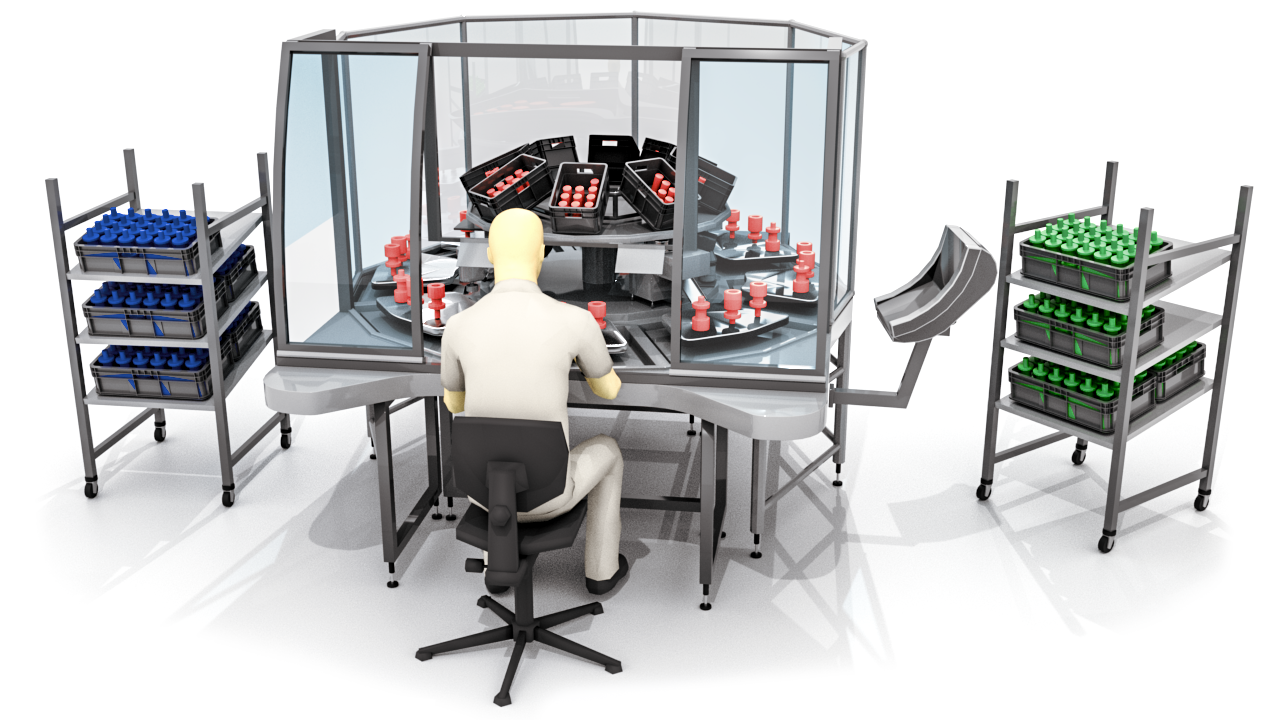
Assembly strategy & principle ×
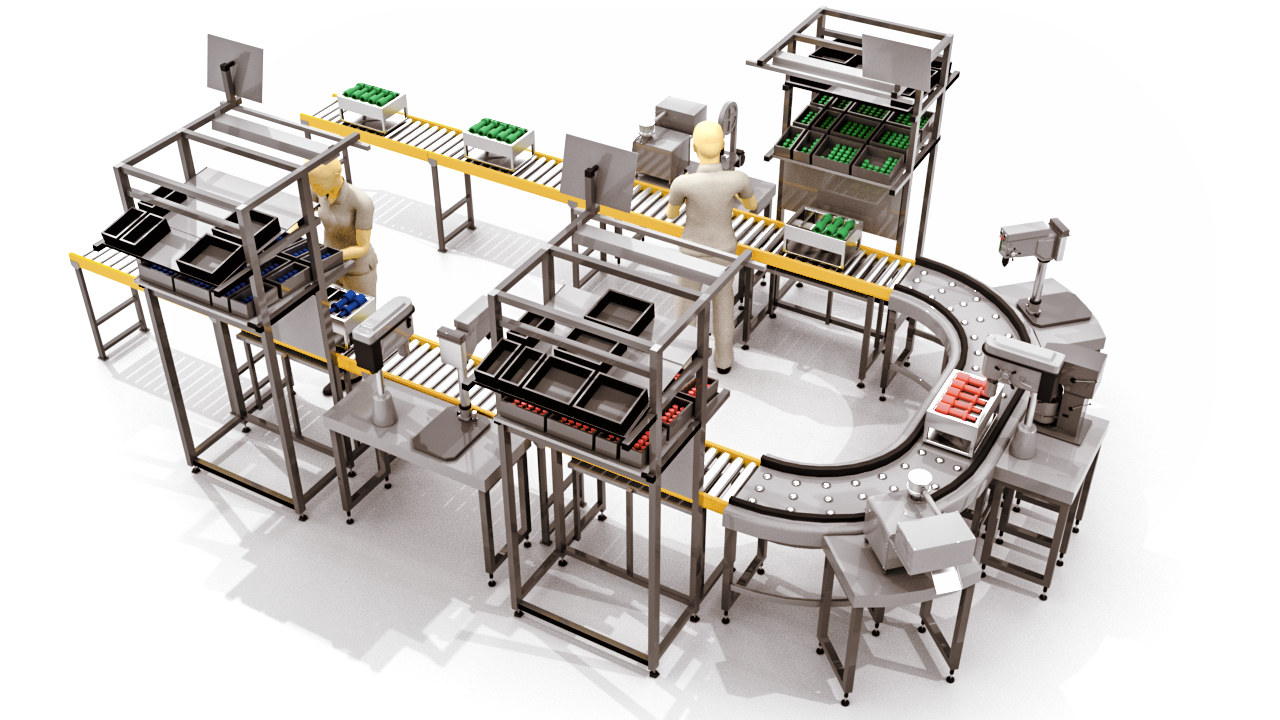
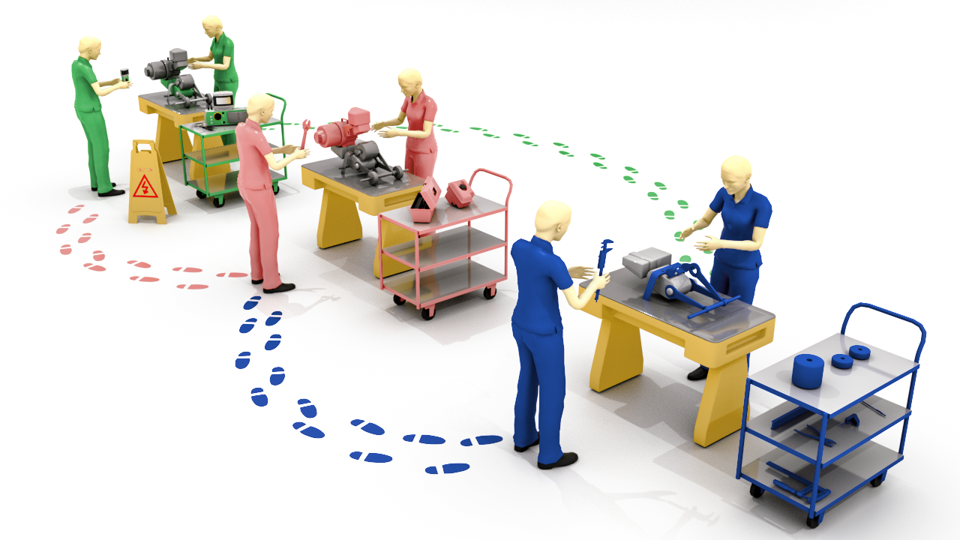
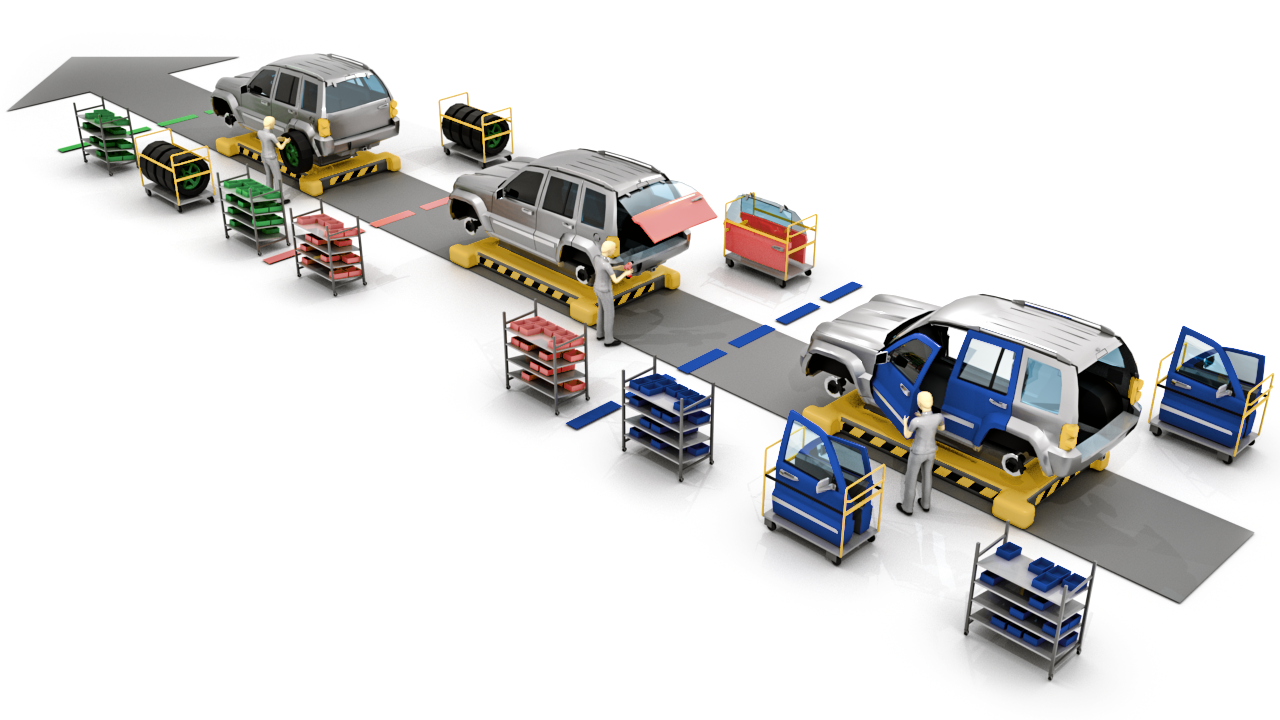
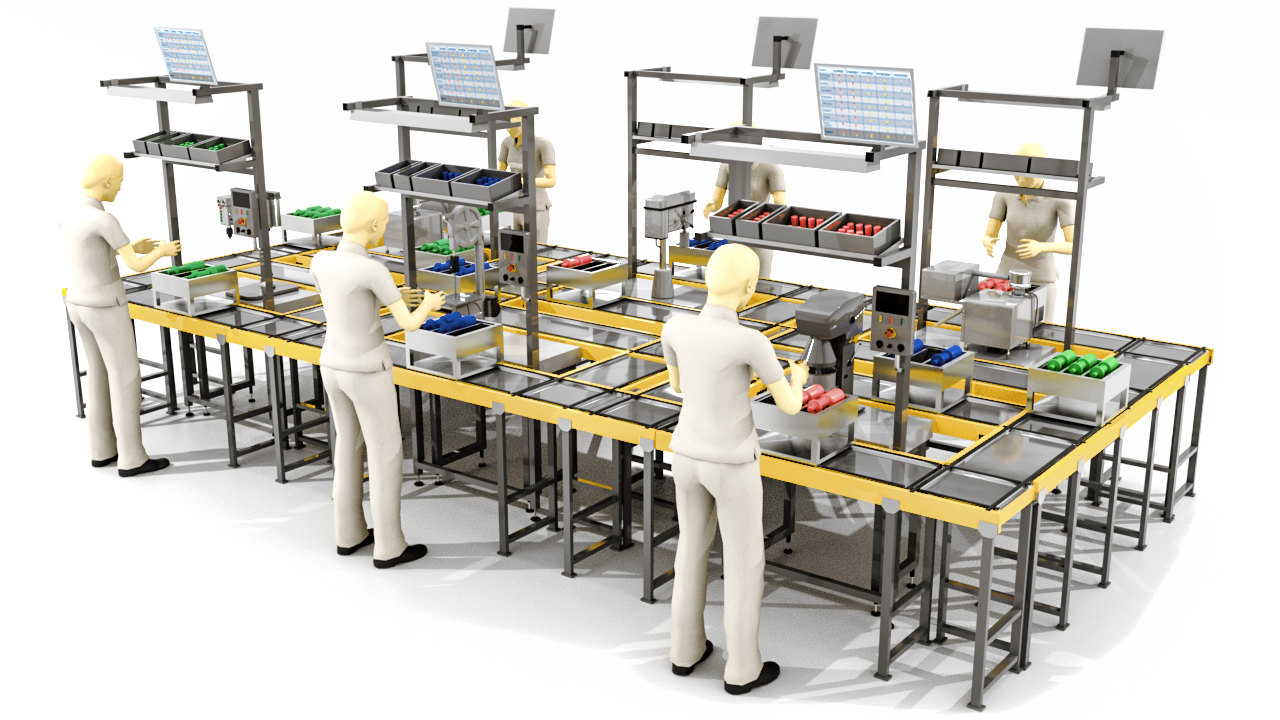
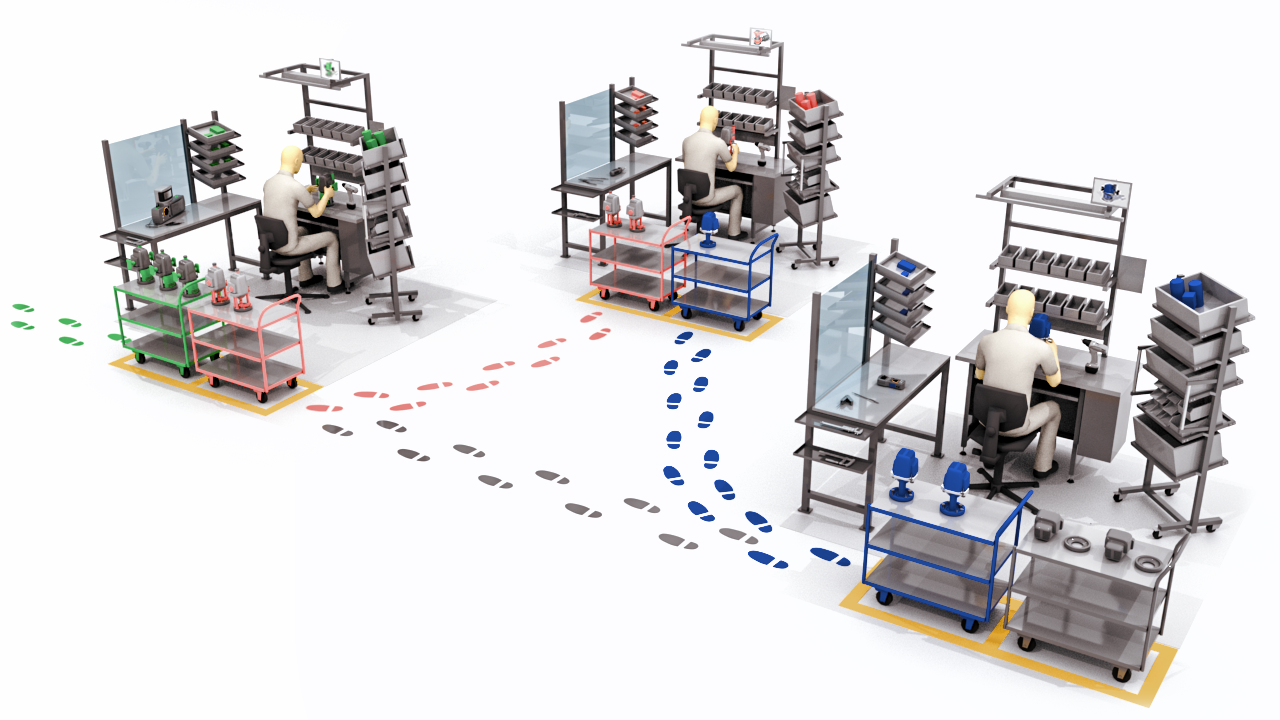
We develop the appropriate assembly principle – ranging from line assembly to U-lines to cell or matrix organization – based on product structure, production volumes, and staffing considerations.
Material supply for assembly ×
We take into account and plan material supply systems – including supermarkets, route trains, container logic, and replenishment processes – so that materials are available at the right place exactly on schedule.
Brownfield assembly optimization ×
We analyze existing assembly areas and develop actionable, holistic optimization measures for ergonomics, assembly layout, and automation, even during ongoing operations.
Workstation design & ergonomics ×
We design assembly workstations so that movements, reach ranges, and tools lead to higher productivity and reduced physical strain.
Automation planning in assembly ×
We evaluate manual, semi-automated, and automated solutions from both economic and technical perspectives, ranging from assistance systems to complex, interlinked assembly systems.
Product understanding ×
Through a structured product analysis, we take the product’s structure into account and apply these insights to the optimal design of the assembly process in terms of efficiency and cost-effectiveness.
Process model in practice
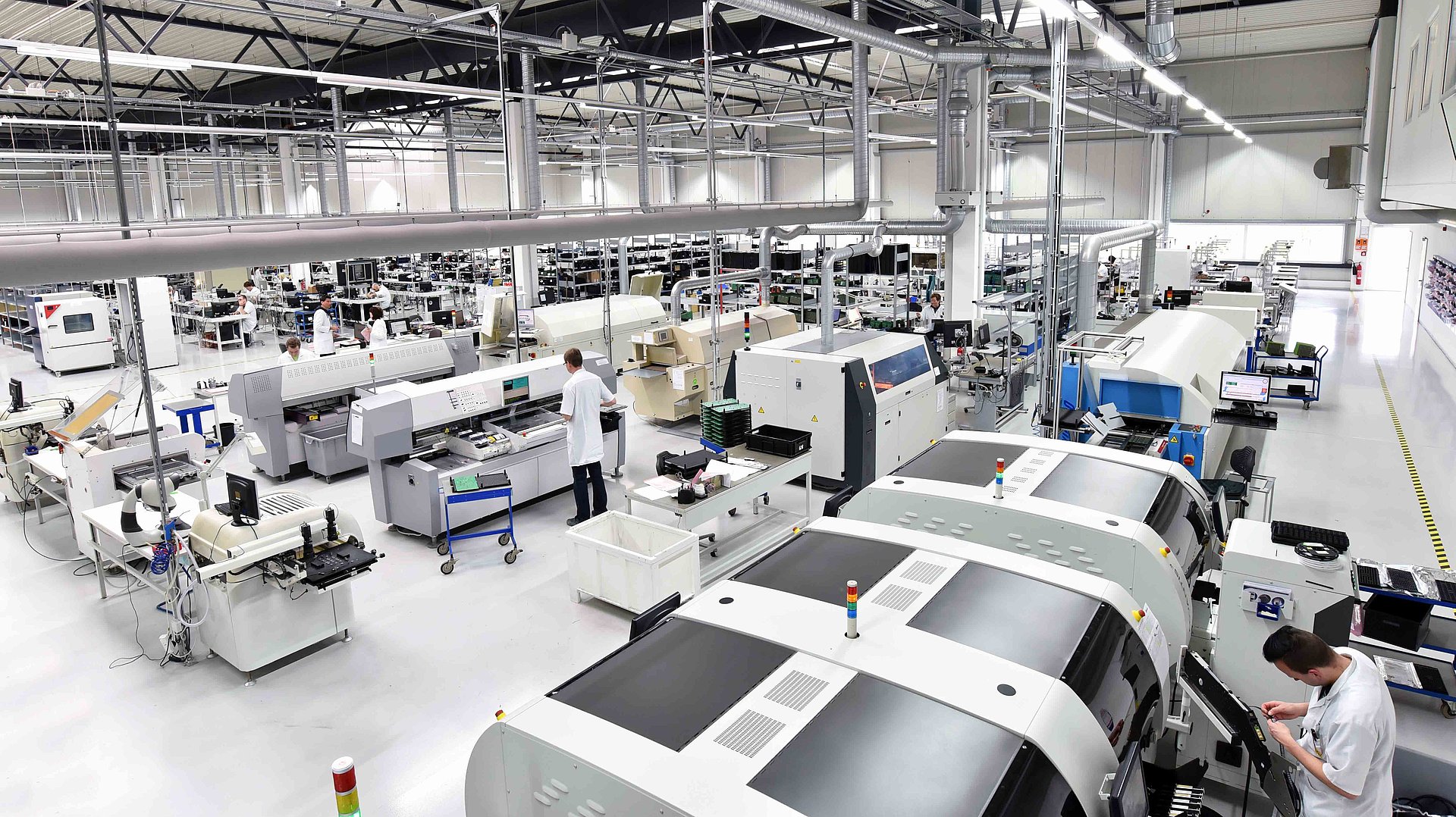
Analysis
Product structure, variants, quantities, cycle time requirements, as well as personnel and quality requirements are thoroughly documented.
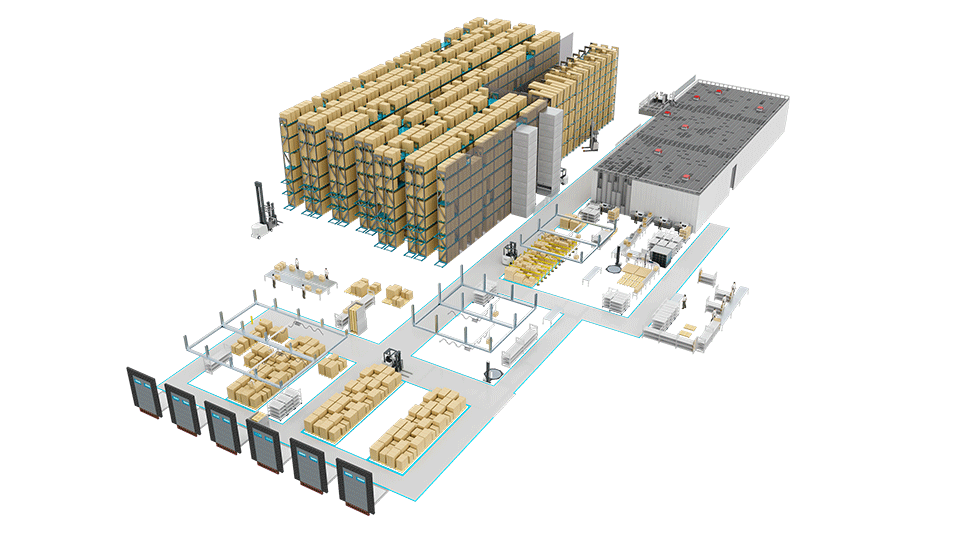
Concept planning
Suitable assembly principles, workstation logic, and customer lead times per product are segmented, developed, and compared.
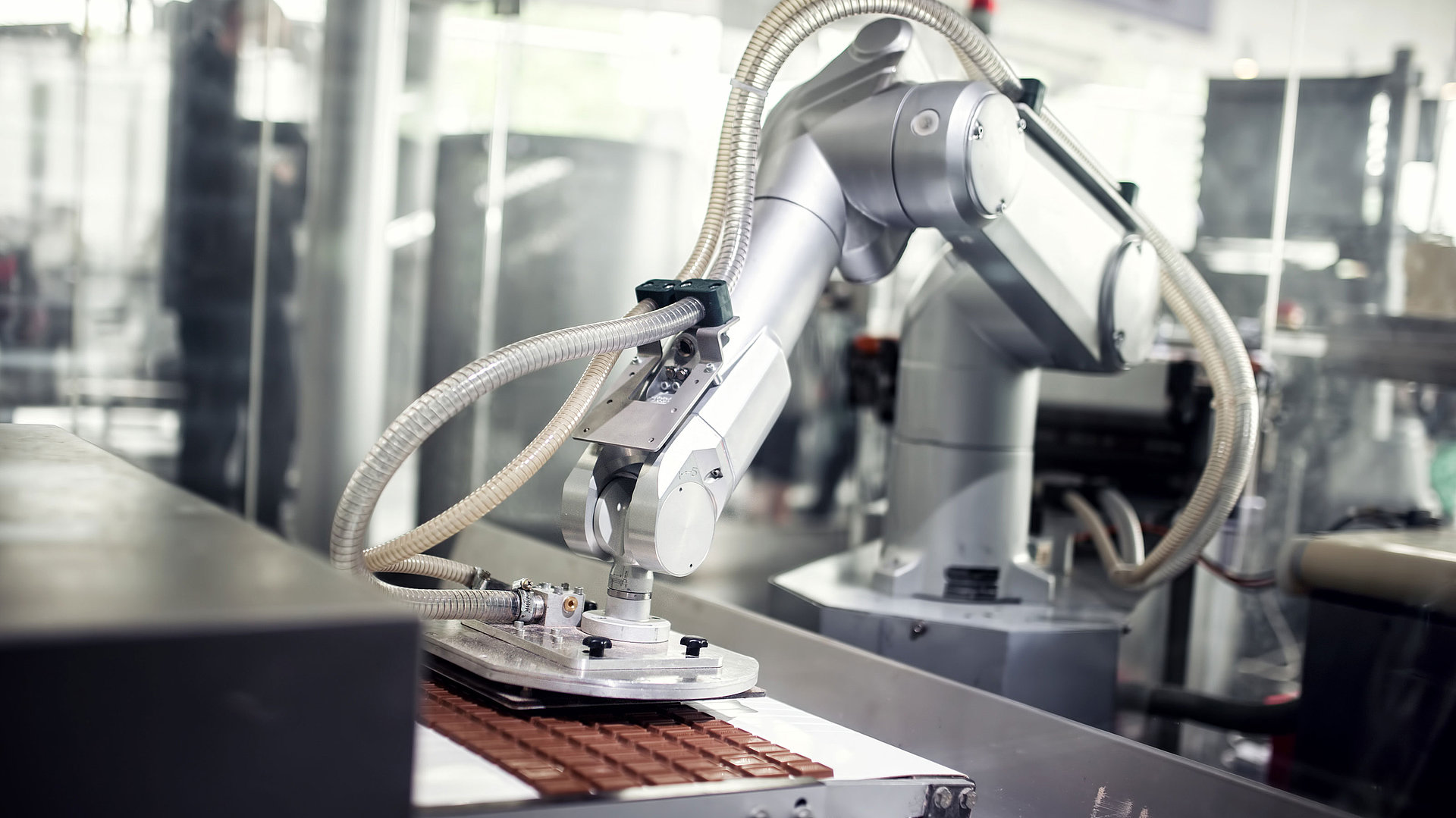
Detailed planning
Creating the assembly priority graph, defining work content, determining the cycle time, identifying assembly stations, selecting the assembly system, specifying workpiece carriers, and determining personnel requirements define the key planning areas of detailed planning in assembly.
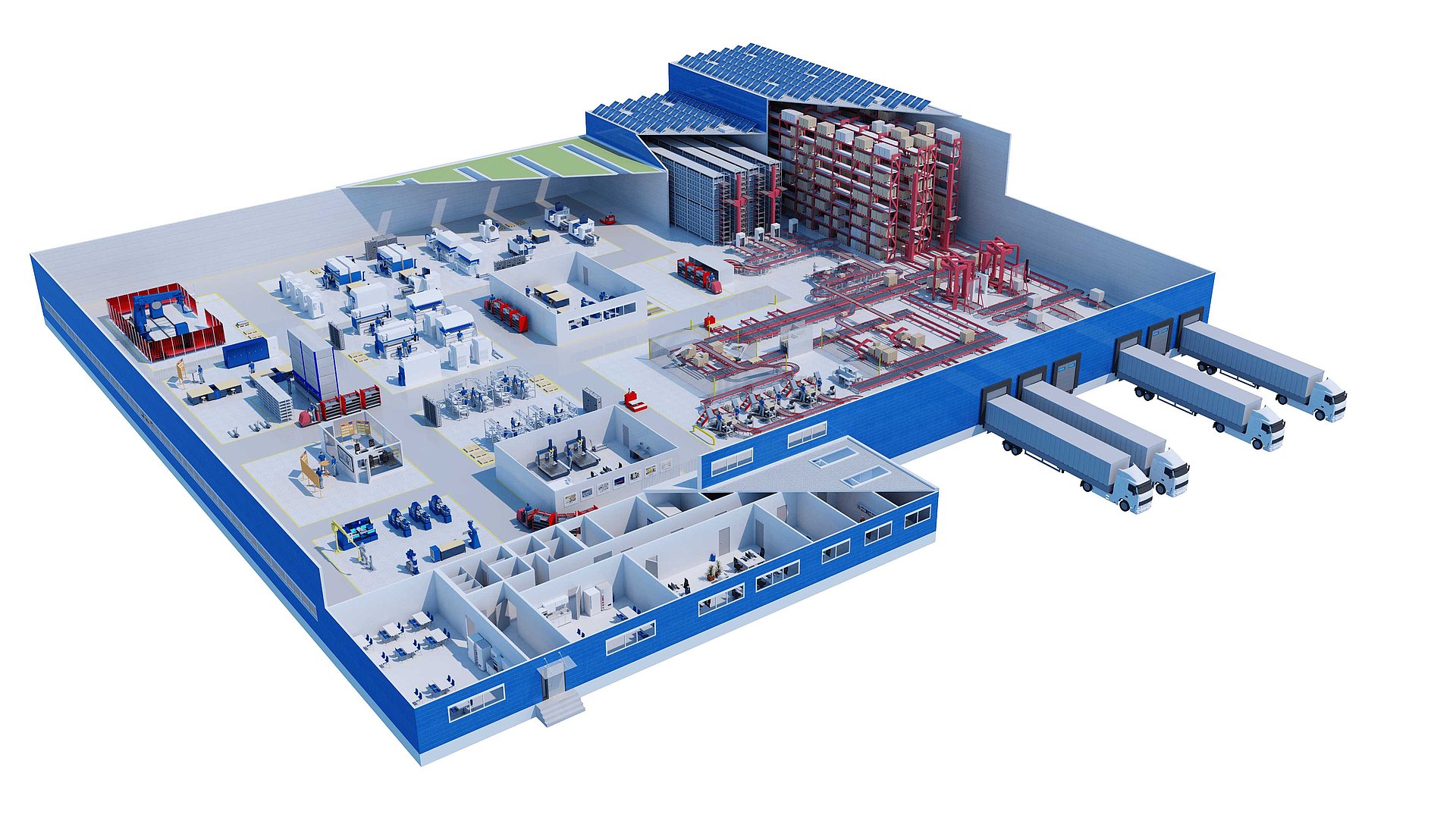
Layout planning and evaluation
Layout planning for assembly where variants are involved also provides transparent evaluation of economic efficiency, space requirements, process stability, and implementation risks.
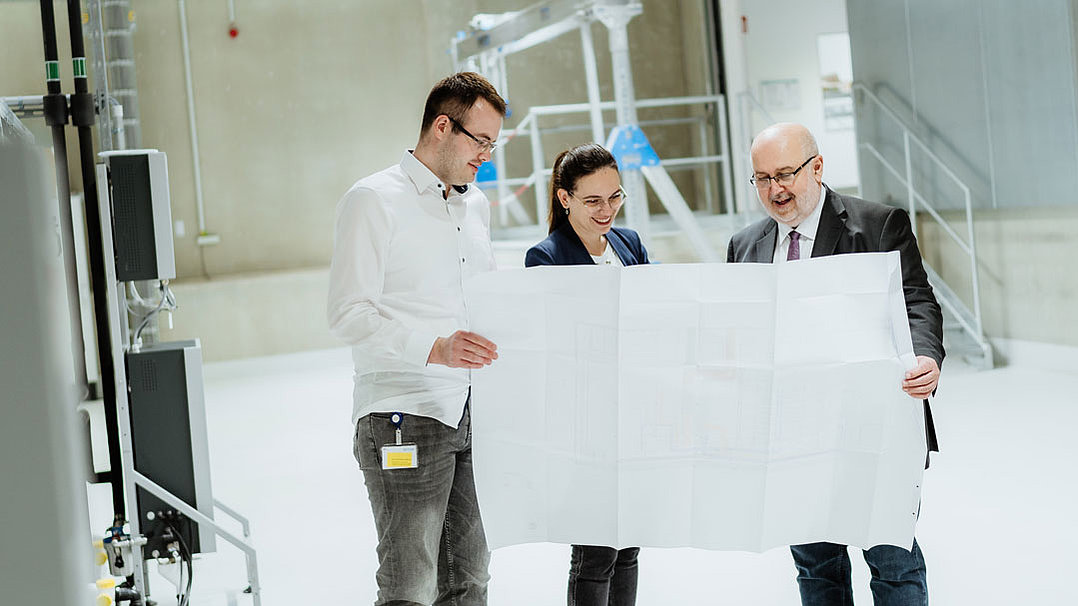
Ramp-up planning
The design is integrated into factory planning and supported through to implementation or optimization in the existing facility.
Typical industries and use cases
Machinery and equipment assembly
Wide range of variants and fluctuating production volumes. The goal is a flexible assembly organization that scales productively.
Automotive & suppliers
Tight cycle time requirements and complex production supply. The goal is a robust production line and supply chain.
Electrical equipment manufacturing & assembly
Many small components and high ergonomic requirements. The goal is a safe, standardized, and efficient process.
Brownfield assembly optimization
Existing assembly areas are reaching their capacity or quality limits. The goal is often to restructure to meet new requirements for increased efficiency.
Added value of io

Assembly conceived
as a system
Integrated assembly planning for efficient, error-free, and on-time production with minimal unit costs and lead times, high flexibility, and guaranteed ergonomics and workplace safety.

Automation based on cost-effectiveness and ROI
We make sound automation decisions based on data and requirements and, as an independent planner, select the best solutions available on the market.

Efficient
brownfield
expertise
We plan phased solutions for existing factories while they remain in operation.

Integration into
the
factory structure
We plan and integrate assembly systems into the factory layout, directly within existing or newly developed value streams.
FAQ
Which assembly principles should be chosen? ×
Selecting the appropriate assembly principle is not a one-size-fits-all process; rather, it results from the interplay of product-specific characteristics (e.g., range of variants, production volumes, complexity), scalability requirements, and economic targets. Different approaches – such as work-site assembly, flow assembly, or the matrix principle – each offer specific benefits, for example, in handling fluctuating production volumes. io develops a customized evaluation framework based on a structured analysis of the product structure and process requirements, enabling a well-founded selection of the most suitable assembly principle.
We are planning a retrofit (brownfield). Can this be done without stopping production? ×
Yes. Significant potential can be realized through material staging, ergonomics, line balancing, and partial automation, especially in existing factories and established structures.
How is assembly planning related to factory design? ×
Assembly planning is a subsection of factory design and directly influences layout, space requirements, material flow, intralogistics, and the degree of automation.
What is particularly important in high-variety assembly? ×
Clear process logic, a robust material supply, standardized workstations, and a reliable balance between flexibility and cycle time. In short: the right assembly system.
Schedule a consultation with an expert
Focus on assembly planning – schedule a consultation with an expert now and identify the greatest leverage.